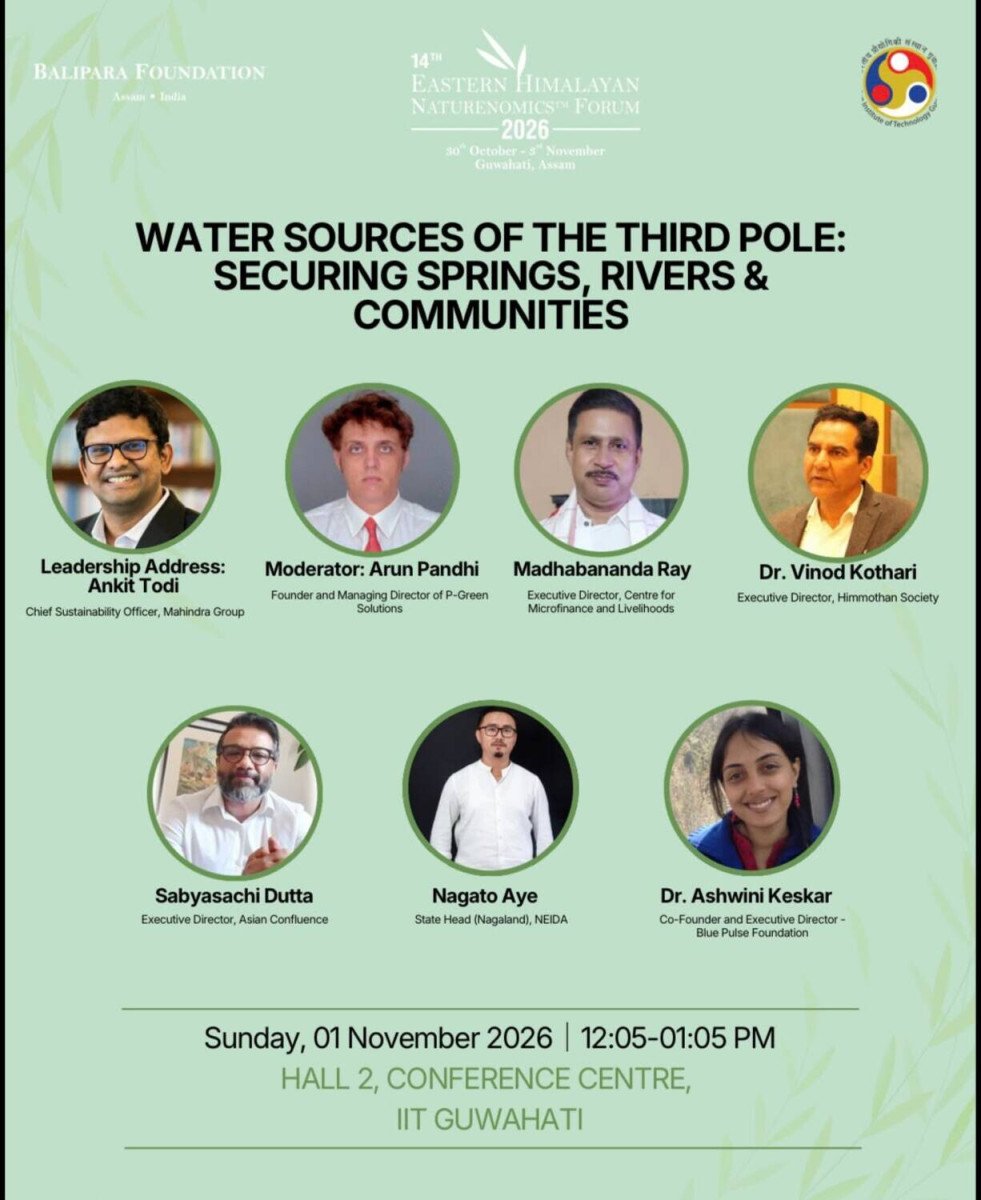
1 November 2026: Securing Springs, Rivers and Communities of the Third Pole
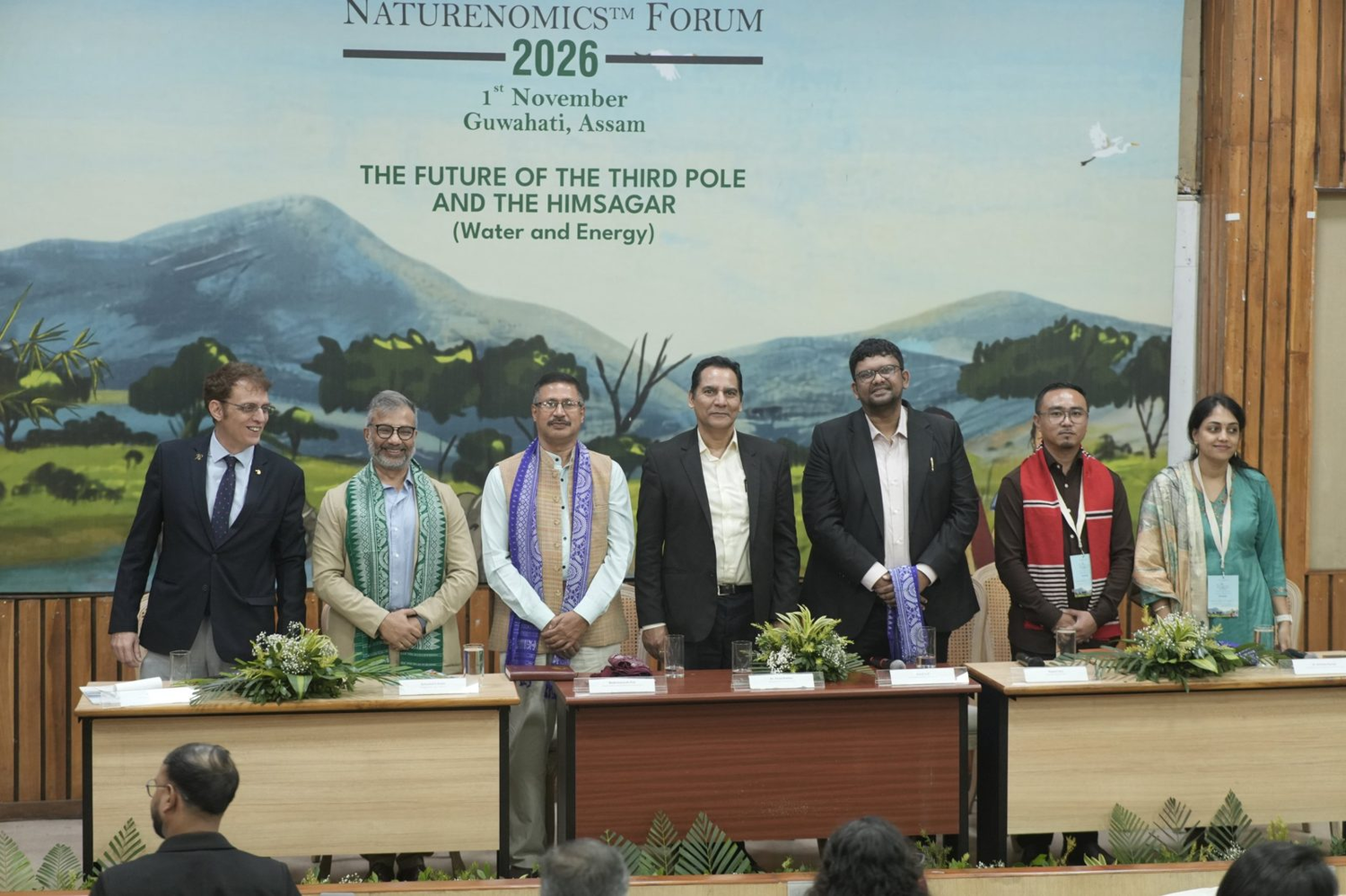
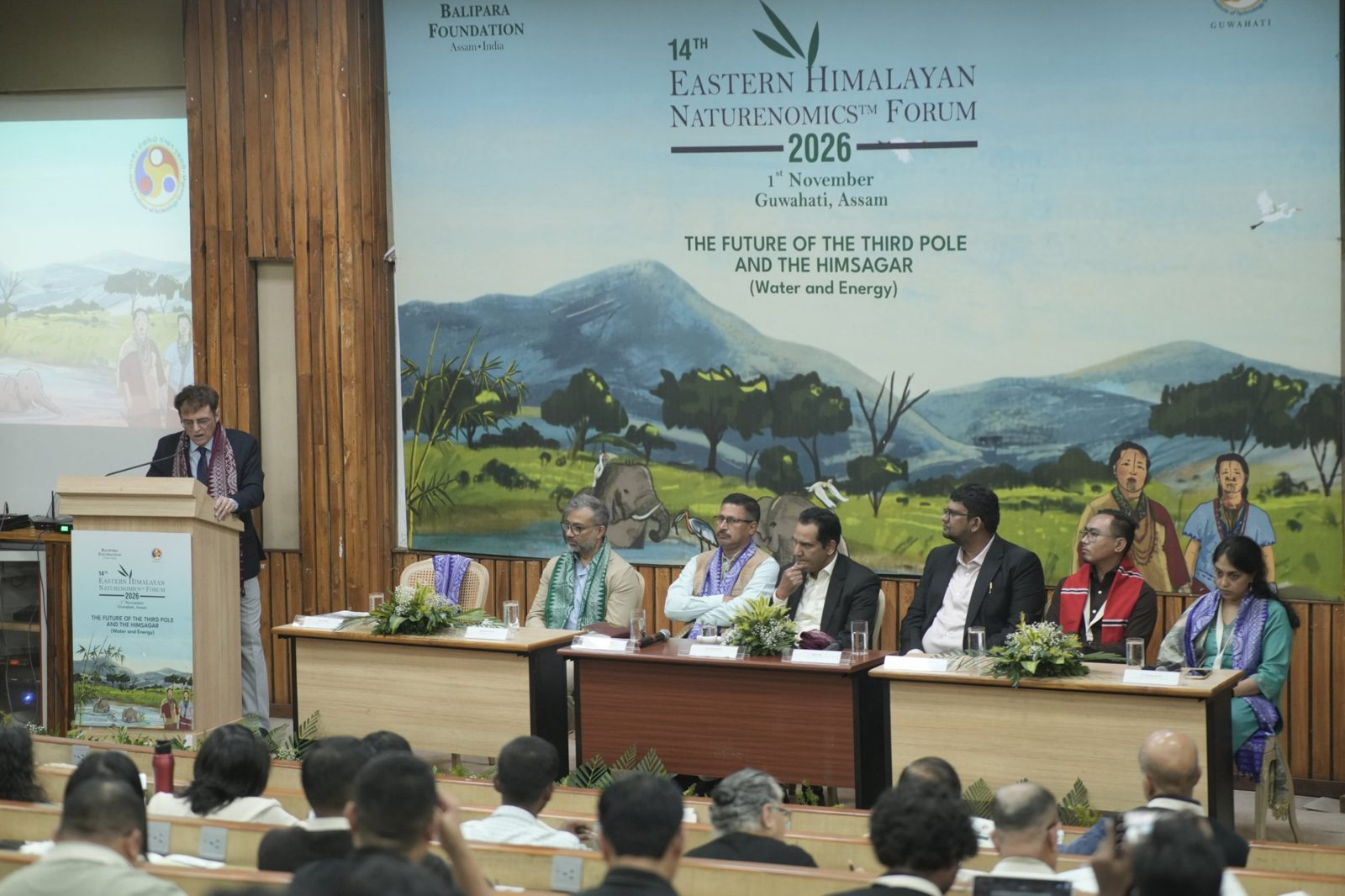
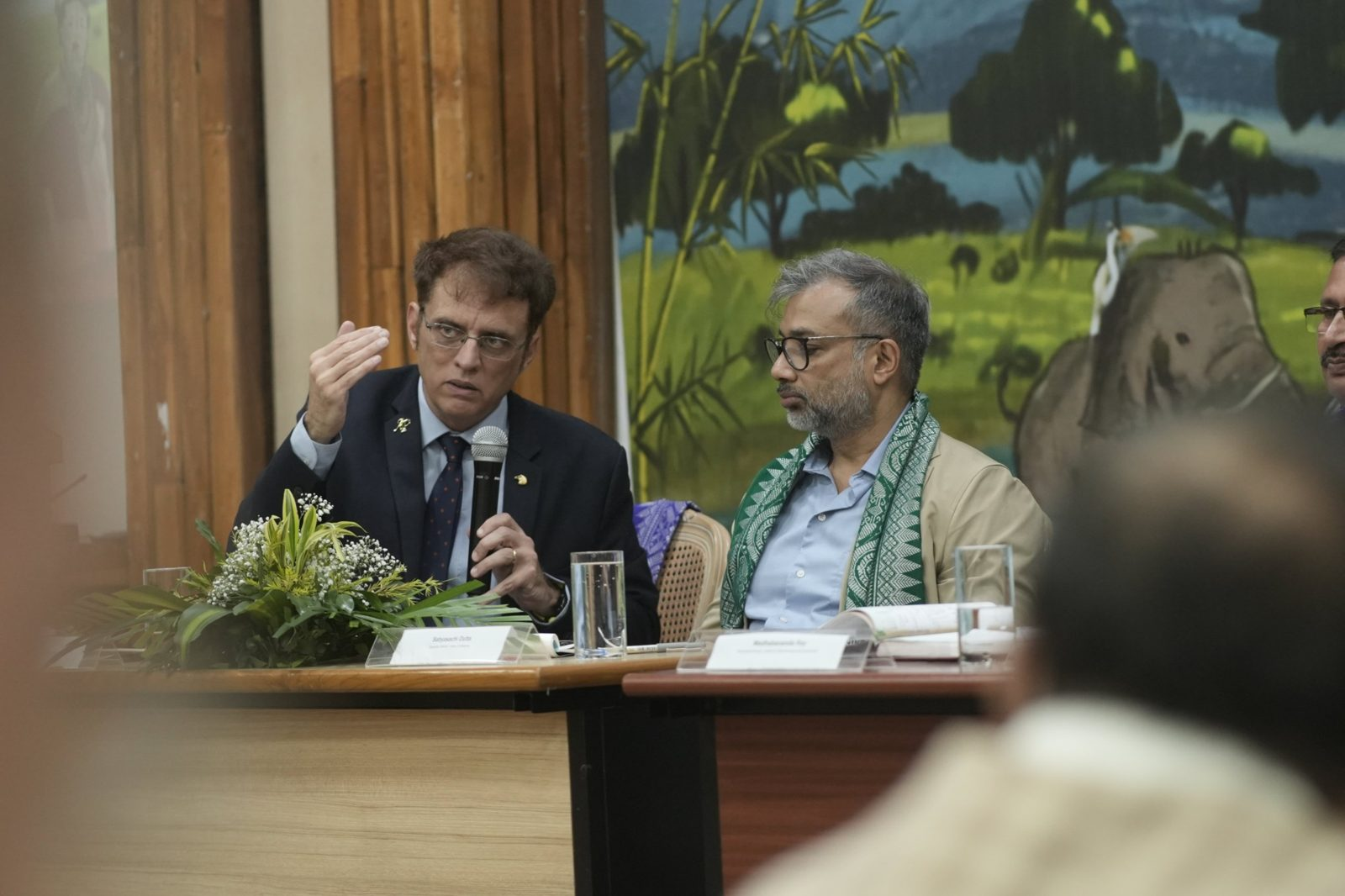
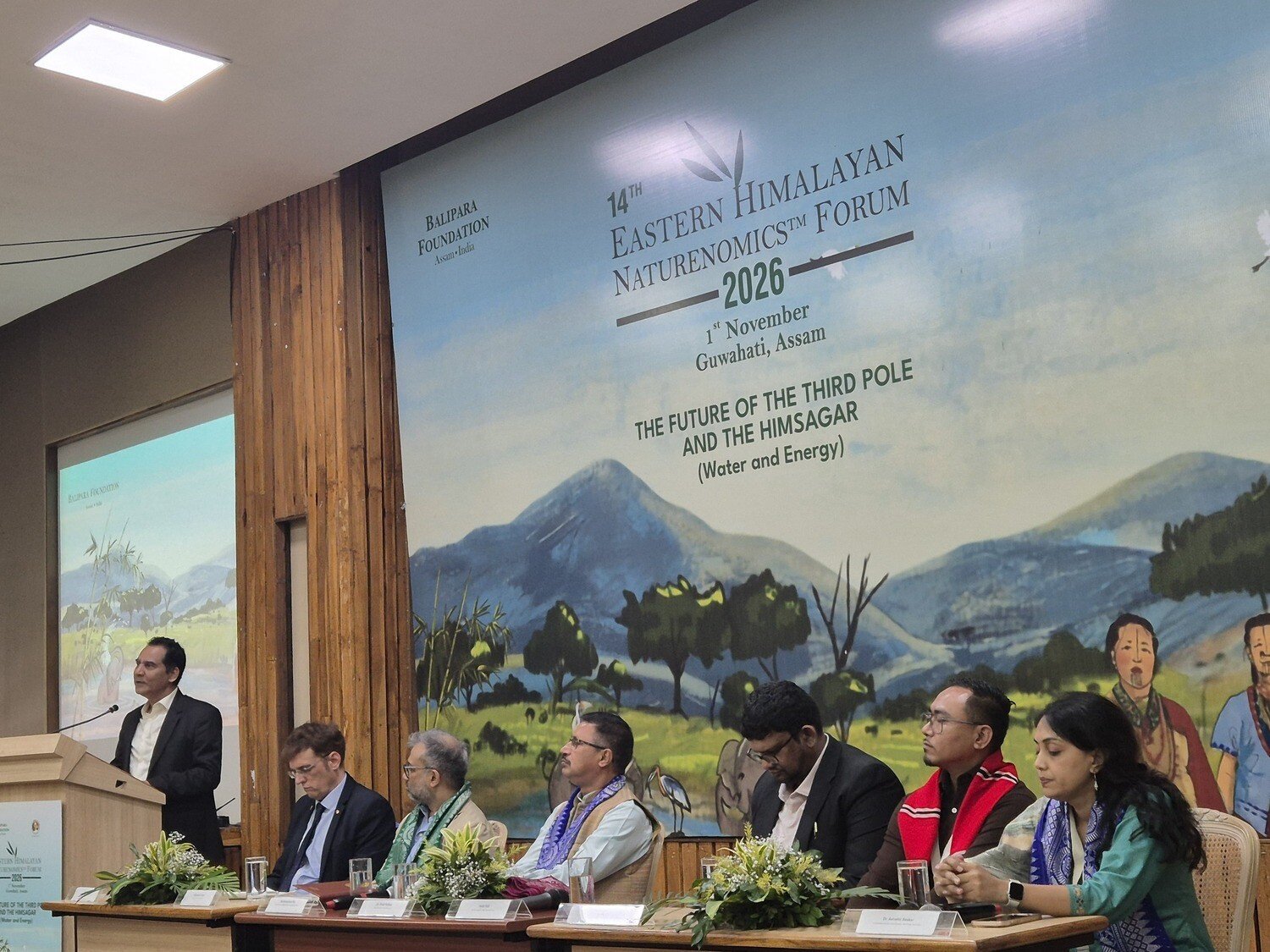
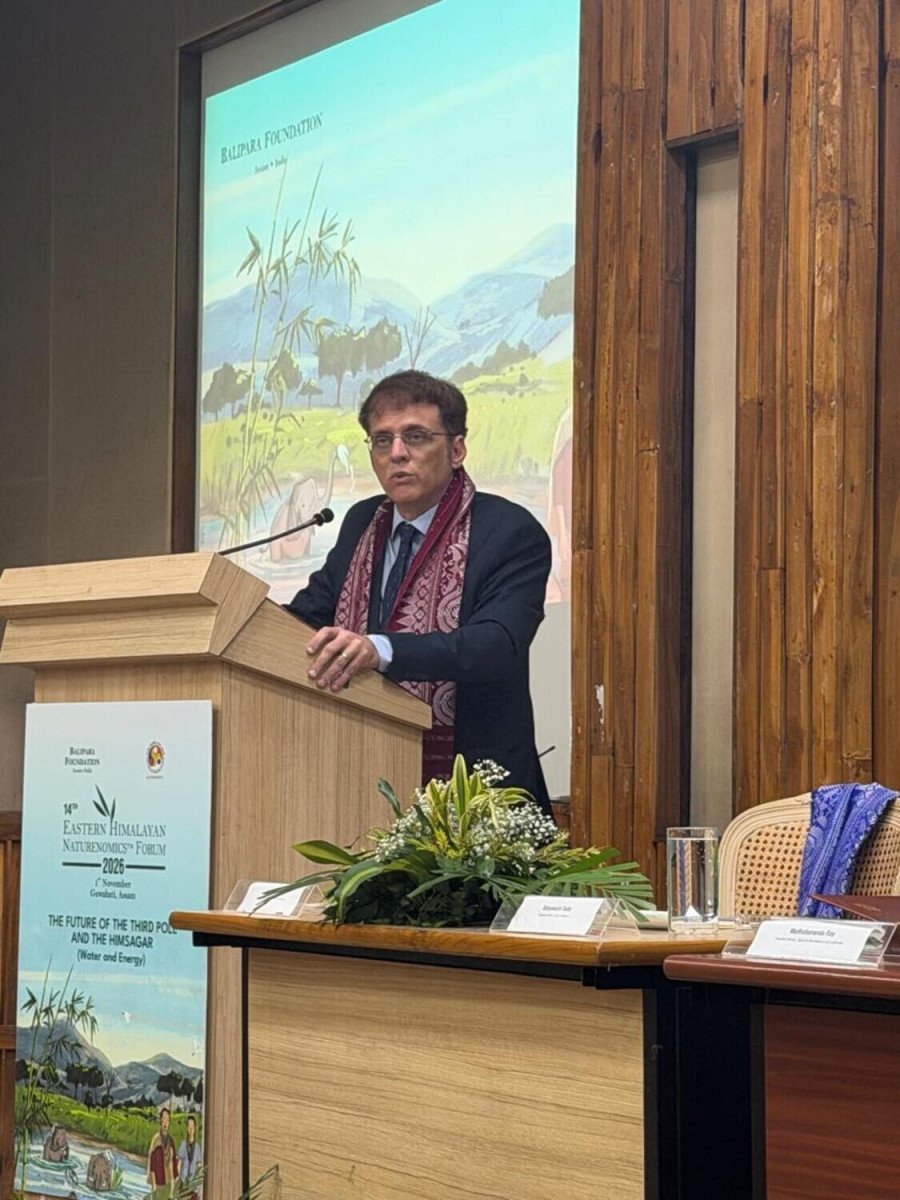
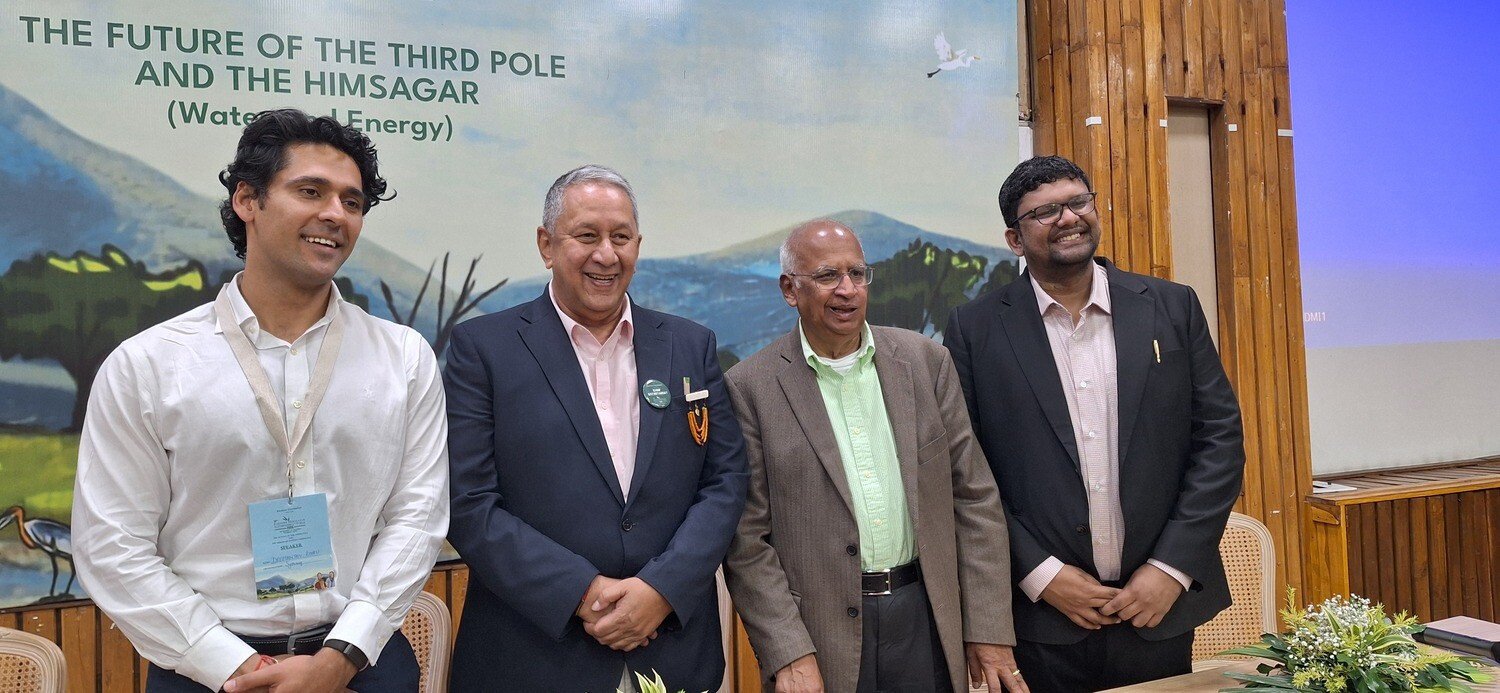
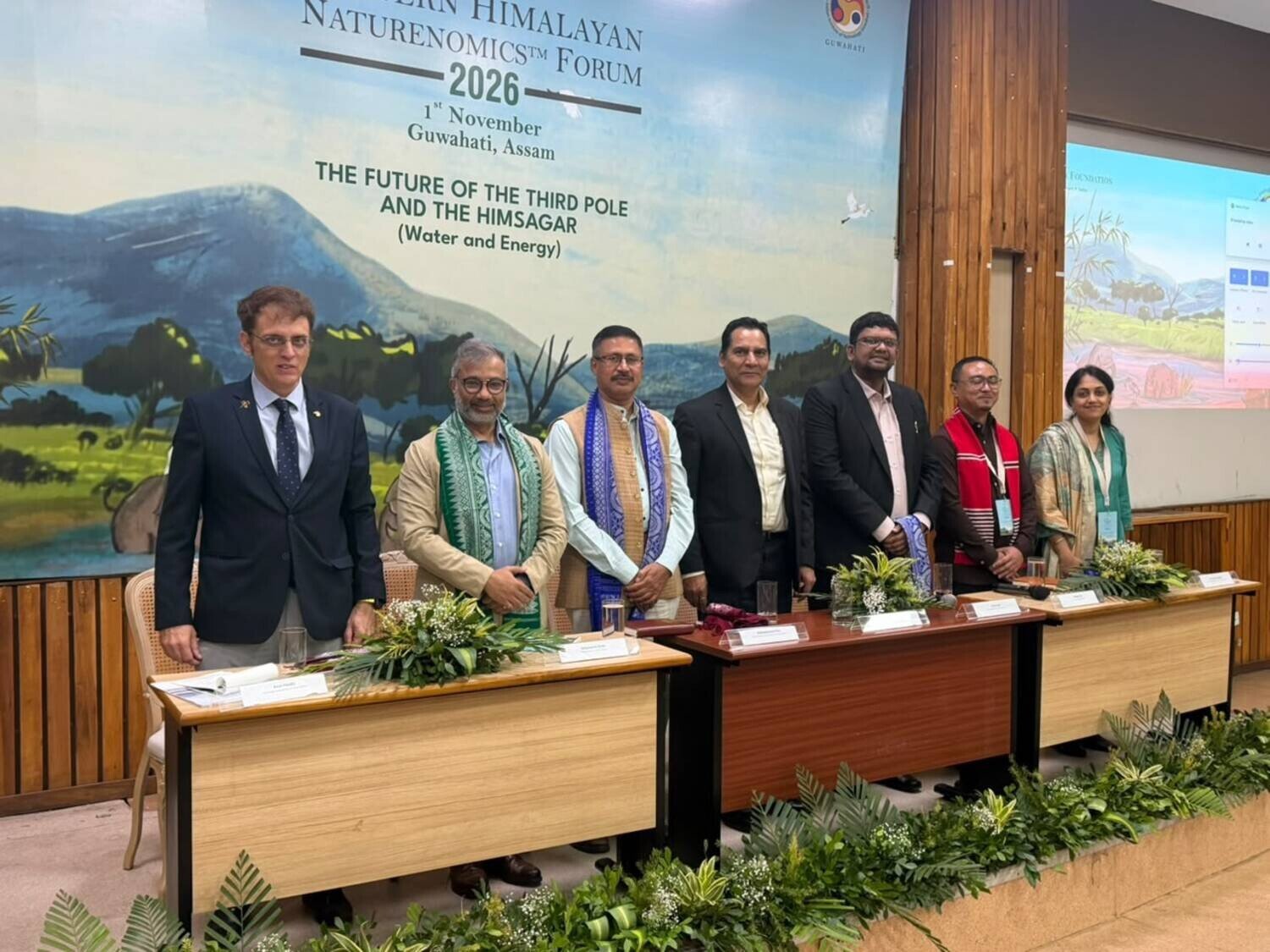
Arun Pandhi, Director, P-Green Solutions, moderated the session “Water Sources of the Third Pole: Securing Springs, Rivers & Communities” at the 14th Eastern Himalayan Naturenomics Forum, organised by Balipara Foundation with IIT Guwahati.
The panel brought together:
- Ankit Todi, Chief Sustainability Officer, Mahindra Group.
- Madhabananda Ray, Executive Director, Centre for Microfinance and Livelihoods (CML).
- Dr. Vinod Kothari, Executive Director, Himmotthan Society.
- Sabyasachi Dutta, Executive Director, Asian Confluence.
- Nagato Aye, State Head (Nagaland), NEIDA.
- Dr. Ashwini Keskar, Co-Founder and Executive Director, Blue Pulse Foundation.
Key points of discussion
- Springs are the starting point. NITI Aayog (2018) estimated that about 3 million of India’s roughly 5 million springs lie in the Himalayan region, and that nearly half are drying up. Despite high rainfall, access to water remains a crisis. Steep slopes, runoff, deforestation and land degradation weaken groundwater recharge, while women and girls bear much of the burden. The discussion highlighted the importance of recharging the springshed rather than focusing only on adding new water supplies.
- The approach is proven. Tata Trusts Associate Organisations (Himmotthan, NEIDA and CML) have worked on more than 2,600 springs across the Himalayan and North-East arc. Their shared approach involves mapping recharge areas, building site-specific structures, placing stewardship in the hands of communities and regularly measuring discharge. Dr. Kothari covered the technical aspects, while Mr. Aye discussed community stewardship and its long-term sustainability.
- Springsheds connect to river basins. Dr. Keskar highlighted the importance of a basin-level approach to water security, including urban water. Mr. Dutta placed springs within the wider Himalayan ecosystem and emphasised the need for research, including on wetlands. Healthy recharge zones sustain lean-season river flows and help retain more water during rainfall.
- Financing and governance must catch up. Although the technical model has matured, financing still relies heavily on philanthropic grants. Mr. Ray discussed financing mechanisms and the roles of different stakeholders. Existing basin-level arrangements are largely government-led, creating opportunities for greater private-sector and civil-society participation. Mr. Todi concluded the discussion with the proposed alliance.
Actions to take forward
- Himalayan Water Security & Springshed Alliance. Initiate work on a multi-state platform to map critical springsheds, restore recharge zones in priority districts and bring together public, philanthropic and corporate finance, involving all relevant stakeholders.
- Research agenda and models. Develop a shared research agenda and practical models, opening discussions with IIT Guwahati and other research institutions.
- Technical workshops. Organise workshops to share knowledge, experiences and proven springshed management methods.
- Basin-level thinking. Extend the approach to river basins, covering wetlands and urban water security.
- Aggregating local efforts. Bring together the ongoing work of NGOs and donors and engage government stakeholders on technical aspects.
- North East convening. Organise a regional convening in the North East to build momentum and take the proposed alliance forward.