P-Green Solutions is currently engaged with the Centre for Microfinance & Livelihood (CML), Guwahati — an initiative of Tata Trusts — on a structured Strategic Planning Exercise running through 2026–31. CML is a development-support and catalyzing institution headquartered in Assam, working across four thematic areas: Water, Sanitation & Hygiene (WASH), Livelihood Promotion, Craft, and Education. Over more than a decade, the organization has built deep programme experience across North East India; this engagement, which began in the first half of 2026, is about helping it turn that experience into a sharper institutional strategy for the years ahead.
The Brief
CML asked P-Green Solutions to help it sharpen its institutional identity, articulate a refreshed Vision and Mission, and build a robust Theory of Change (ToC) to guide resource mobilization, partnerships and internal alignment over the next five years. It is a six-month engagement, structured in five phases — from an initial diagnostic through to a five-year strategic plan presented to CML’s Board and leadership for sign-off and launch.
Our Approach
We believe good strategy is built with an organization, not handed down to it. That shaped how we structured this engagement:
- Diagnostic first (May 2026). Before any visioning work began, we reviewed CML’s programme portfolio, project documents and monitoring data, visited active project sites, and facilitated a structured organizational SWOT analysis with CML’s leadership team.
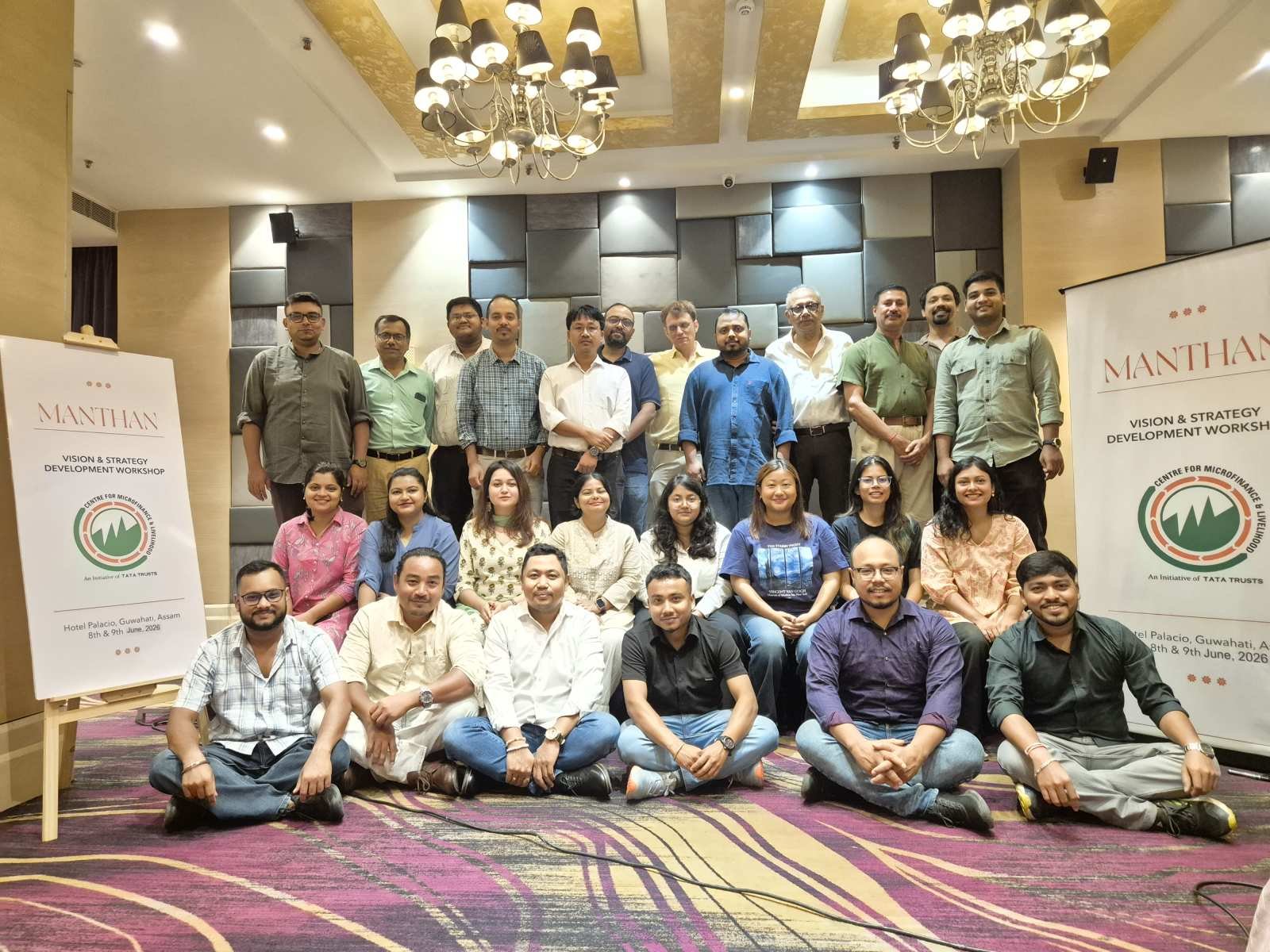
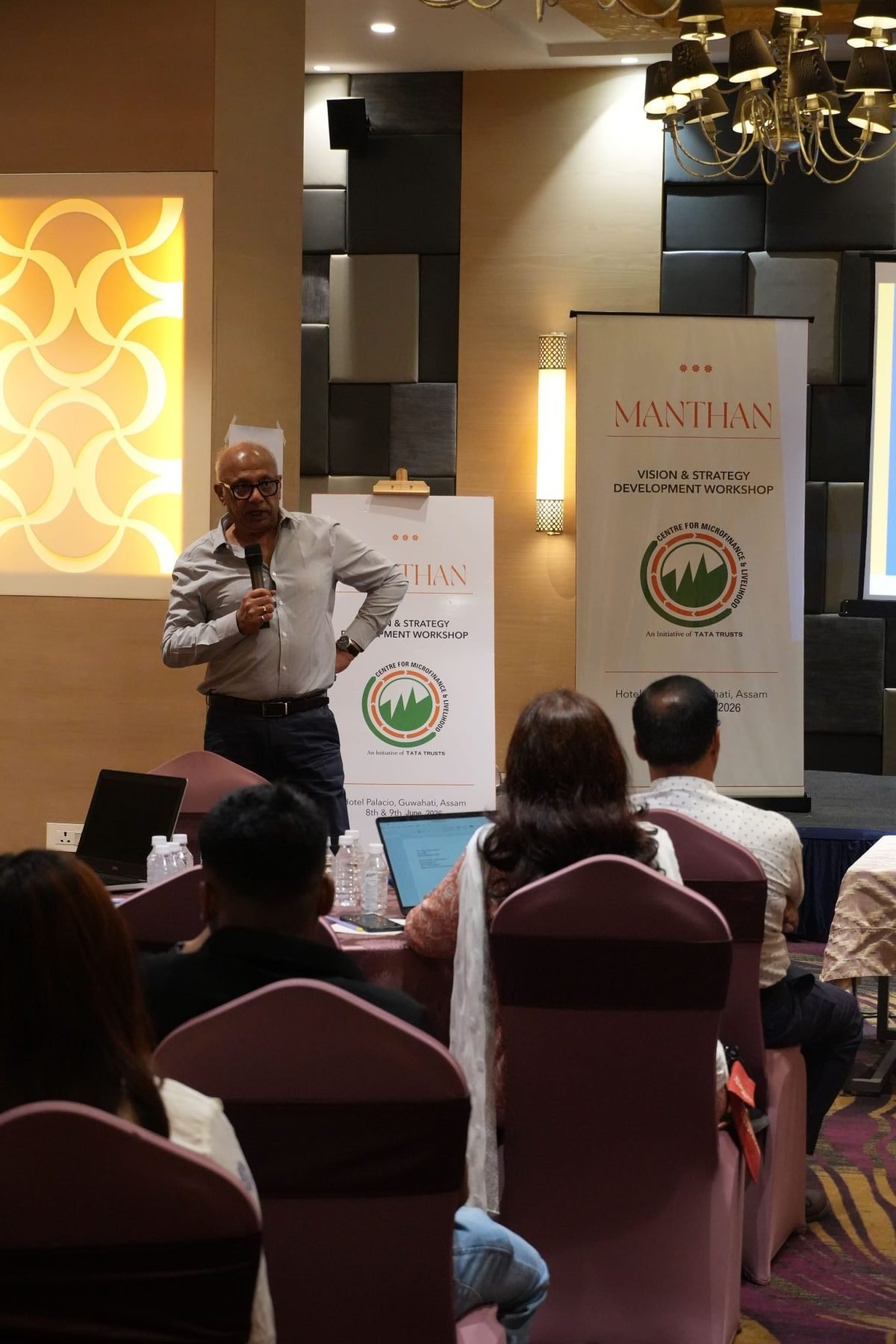
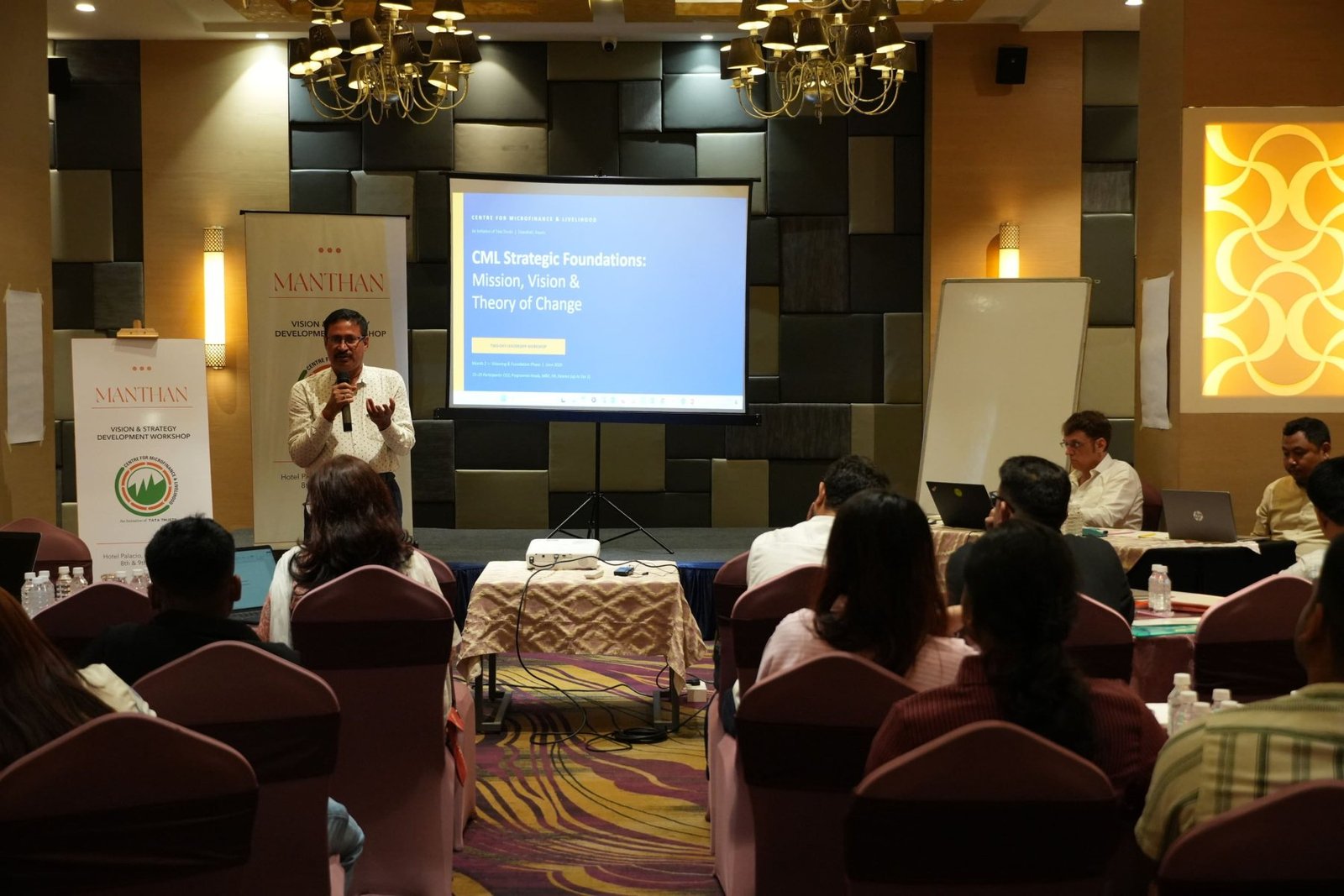
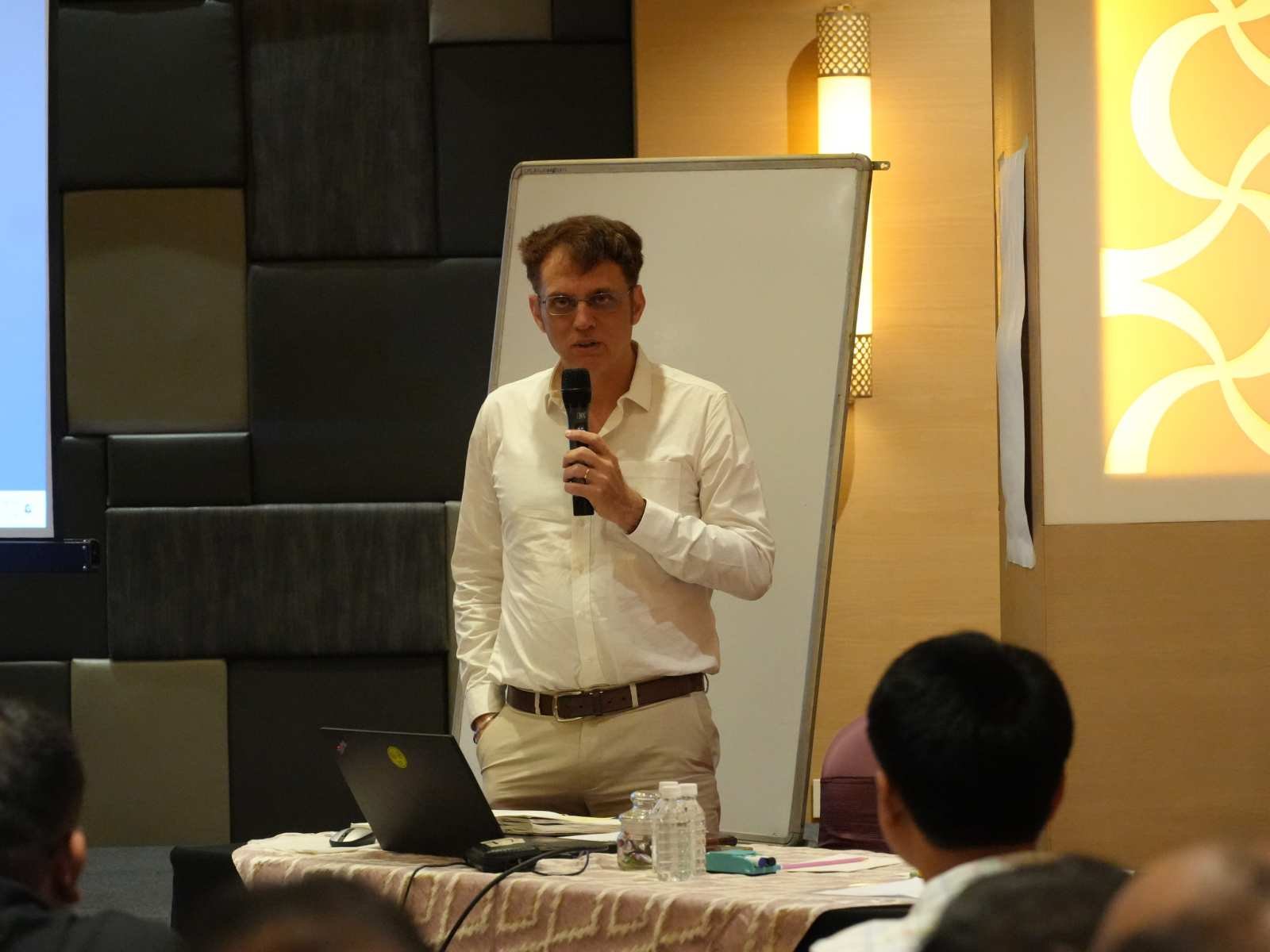
- A facilitated foundations workshop (8–9 June 2026, Guwahati). A two-day workshop brought together CML’s leadership to rebuild a shared understanding of the organization’s history and identity, refresh its Mission and Vision, and lay the groundwork for its Theory of Change. (See below for more on how the workshop was run.)
- A consistent Theory of Change methodology (July–August 2026). Each thematic team then worked through the same disciplined, six-stage process: defining long-term outcomes; working backwards to intermediate outcomes; naming concrete activities and outputs; connecting the chain with explicit if–then logic; stress-testing assumptions; and surfacing external risks and success indicators.
- Ground-truthing with external stakeholders (10–12 June 2026). We paired the internal workshop process with a structured round of external stakeholder consultations in Guwahati, together with an internal alignment session with Tata Trusts leadership, testing CML’s emerging thinking against the perspective of the technical, government and financing partners it works alongside.
- Consolidation into one coherent architecture (finalized early September 2026). Rather than leaving four thematic strategies as separate documents, we worked with each portfolio team through July and August to cross-check their draft Theories of Change against one another and consolidate them into a single, organization-wide strategic architecture.
Inside the Strategic Foundations Workshop
The centrepiece of the Visioning & Foundation phase was a two-day workshop — “CML Strategic Foundations: Mission, Vision & Theory of Change” — held in Guwahati on 8–9 June 2026. It brought together 15–20 members of CML’s leadership team, including the CEO, programme heads across all four thematic verticals, and the organization’s M&E, HR and Finance leads, for a combined 17 hours of structured, facilitated work.
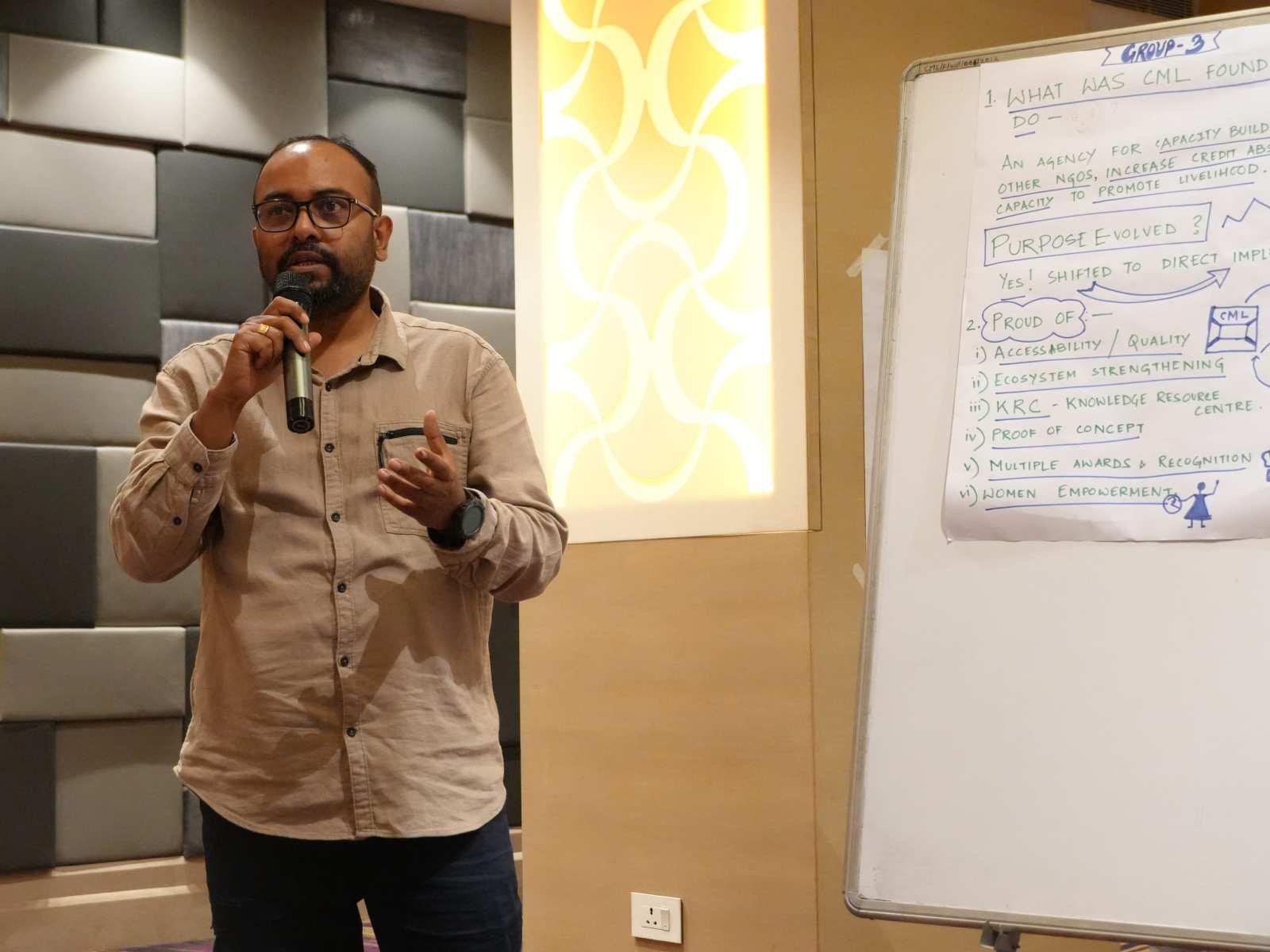
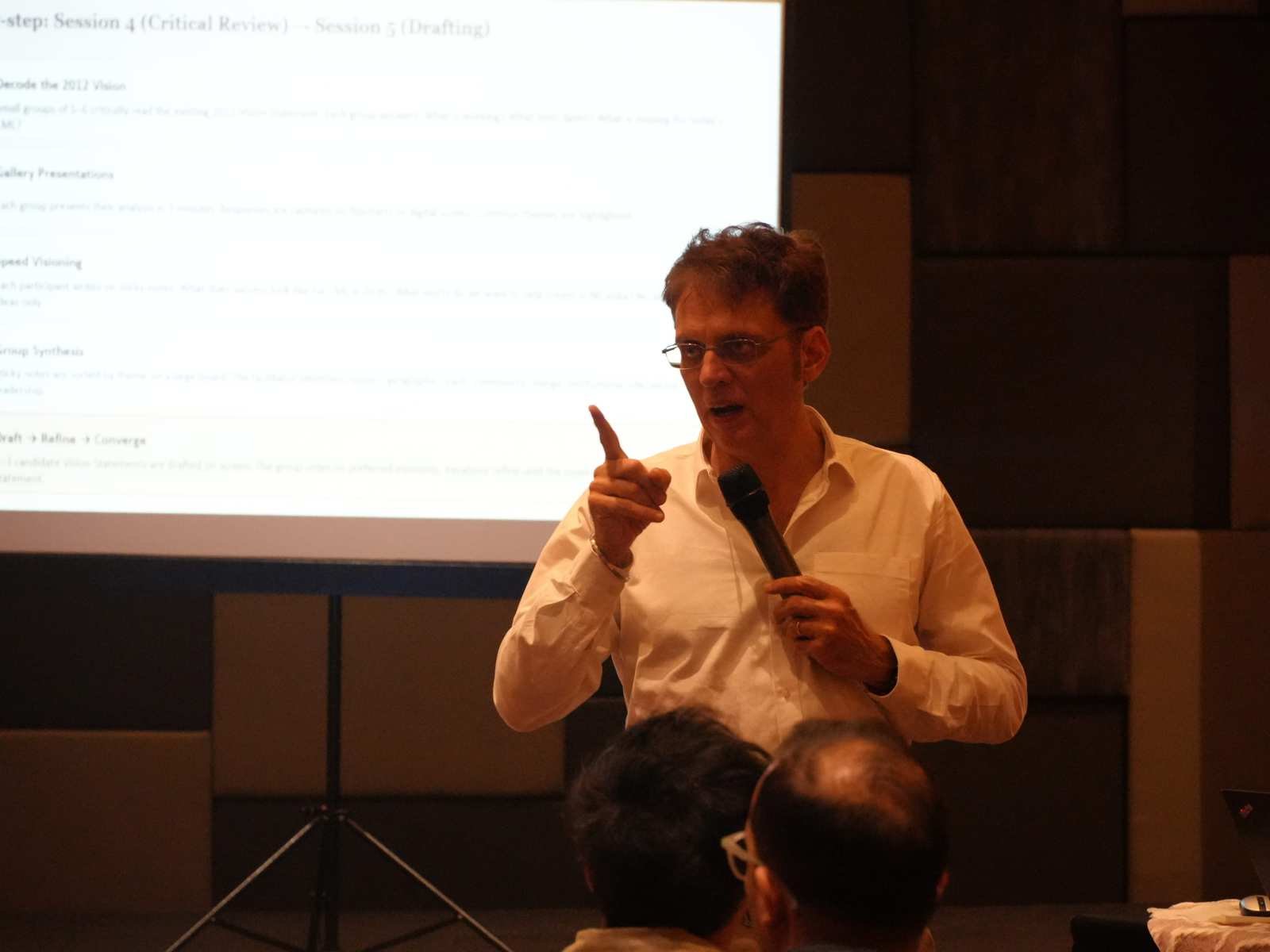
The two days were deliberately sequenced. Day 1 focused on organizational identity: participants worked through a guided look back at CML’s history and evolution, discussed who the organization serves and how it positions itself within the North East India development ecosystem, and then moved through iterative, facilitated drafting sessions — critically reading the organization’s original 2012 Mission and Vision statements before converging, through multiple rounds and a group vote on preferred language, on refreshed statements to carry into Day 2.
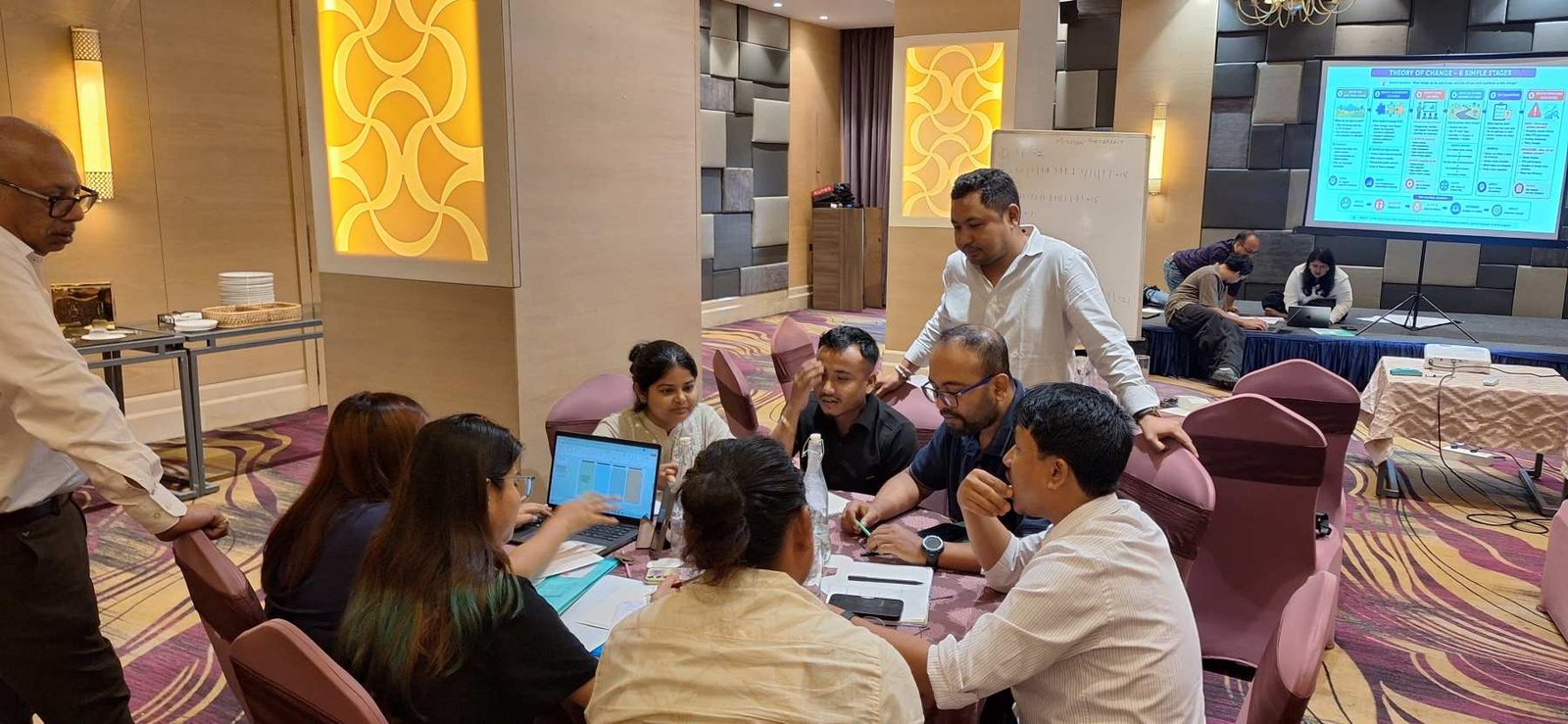
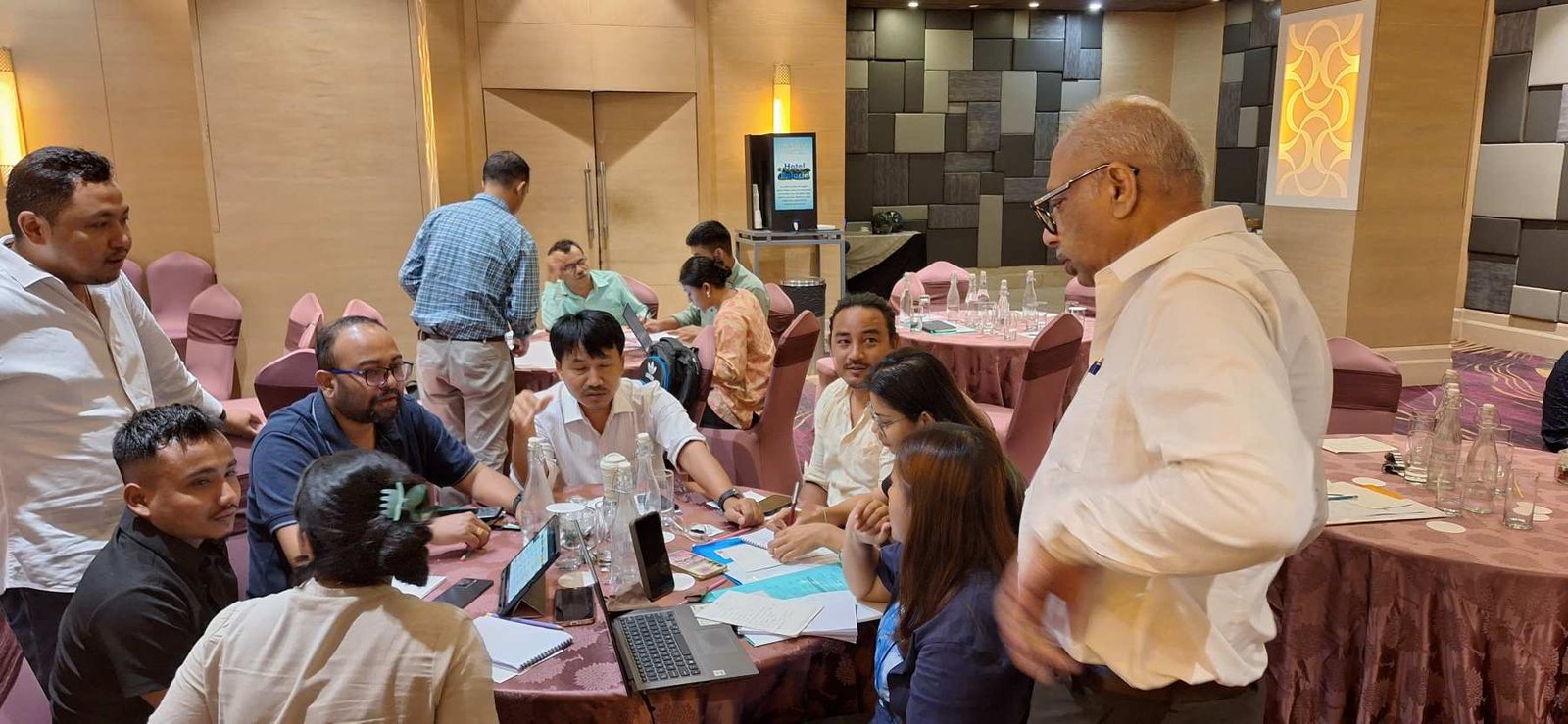
Day 2 built directly on that foundation. The day opened with a final refinement of the Mission and Vision, introduced the Theory of Change framework with illustrative examples from comparable organizations, and then moved each thematic group through mapping its own change pathways, surfacing and stress-testing assumptions, and finally integrating the day’s work into a first-cut, organization-wide view of the strategic implications ahead. WASH, Livelihoods and Craft each left the workshop with a first-cut Theory of Change structure; Education’s inputs were captured through a dedicated follow-up engagement shortly after.
Progress to Date
The engagement’s first phase — Visioning & Foundation — is now substantially complete. Working with CML’s leadership, we have delivered:
- A refreshed institutional Vision and Mission, drafted and workshopped on 8–9 June 2026, replacing statements that had stood unchanged since the organization’s founding, and now moving toward final sign-off.
- A Theory of Change for each of CML’s four thematic verticals — WASH, Livelihoods, Craft and Education — first drafted at the June workshop and finalized through a series of follow-up sessions across July and August 2026, each mapping a clear causal pathway from activities to long-term outcomes, with its own assumptions, risks and success indicators.
- A combined, organization-wide Theory of Change, consolidated over July and August and finalized in early September 2026, bringing all four thematic strategies together beneath one shared Vision and Mission.
- A round of external stakeholder consultations, held 10–12 June 2026, that tested and sharpened this thinking against the perspective of CML’s technical, government and financing partners.
The Way Forward
With the Visioning & Foundation phase complete, the engagement is now entering its Strategic Priorities phase — the next stage of the original six-month, five-phase roadmap. Over the months ahead, this phase will focus on:
- An impact assessment framework, to give CML a consistent way of measuring and reporting the outcomes its Theory of Change sets out to achieve.
- A donor engagement strategy, translating the refreshed Vision, Mission and Theory of Change into a clearer case for CML’s funding partners and prospective collaborators.
- Concept notes and project designs for priority initiatives across CML’s thematic areas — including the next phase of its livelihoods and value-chain work with smallholder farming communities, and an expanded water security initiative focused on safe drinking water and water quality.
- Formal sign-off of the refreshed Vision and Mission by CML’s leadership and Board, and a continued round of stakeholder consultations reaching additional government, donor and peer-organization partners not yet covered.
This work will feed directly into the engagement’s final two phases: drafting and validating a full five-year strategic plan, and then presenting it to CML’s Board and leadership for finalization and launch later in the engagement.
Why This Work Matters
Organizations like CML operate at the intersection of deep field experience and real institutional constraints — multiple programme areas, a wide operating geography, and a diverse set of government, donor and technical partners. Helping such an organization step back, articulate a clear and shared sense of purpose, and build a rigorous, evidence-based case for how its work drives change is exactly the kind of strategic planning work P-Green Solutions exists to do. We look forward to continuing this partnership with CML as the engagement moves into its next phase.