

Field-based assessment across four Himalayan clusters charts a path to greater self-reliance for women-led cooperatives and producer companies in Uttarakhand.
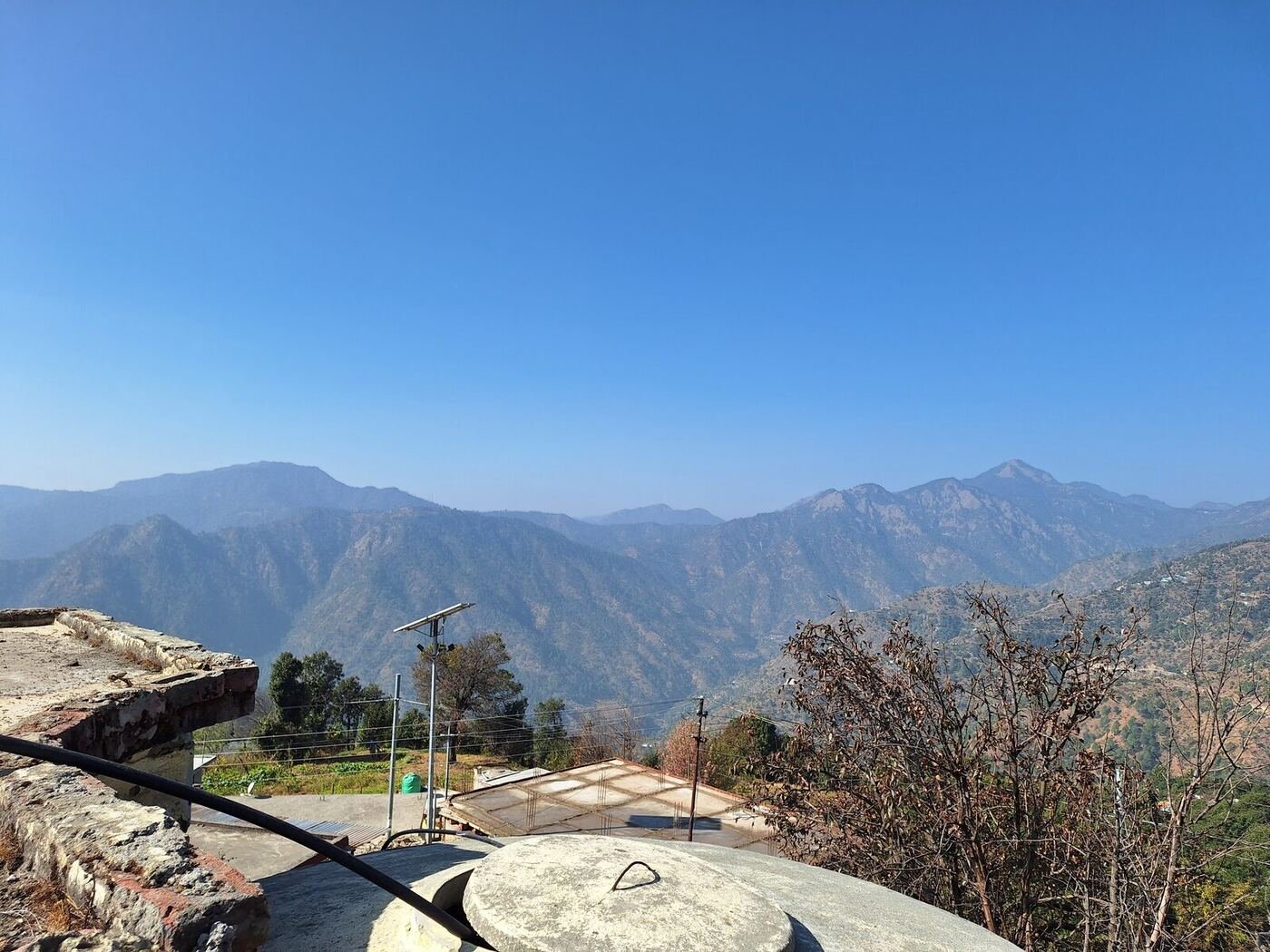
The PGS team travelled to four flagship institutions to ground the assessment in on-the-ground realities: Him Vikas SRC in Jaripani (Tehri Garhwal), Gangotri SRC in Uttarkashi, the Nai Kiran SRC and its network of affiliated cooperatives in Ukhimath (Rudraprayag), and TRISHULII Producer Company in Dehradun. Findings from these visits were extrapolated across Himmotthan’s broader portfolio of supported enterprises.
- 5,200+ : Self Help Groups mobilised
- 40,000+ : women members reached
- 49 : Self-Reliant Cooperatives federated
- Rs. 15 cr+ : cumulative group savings
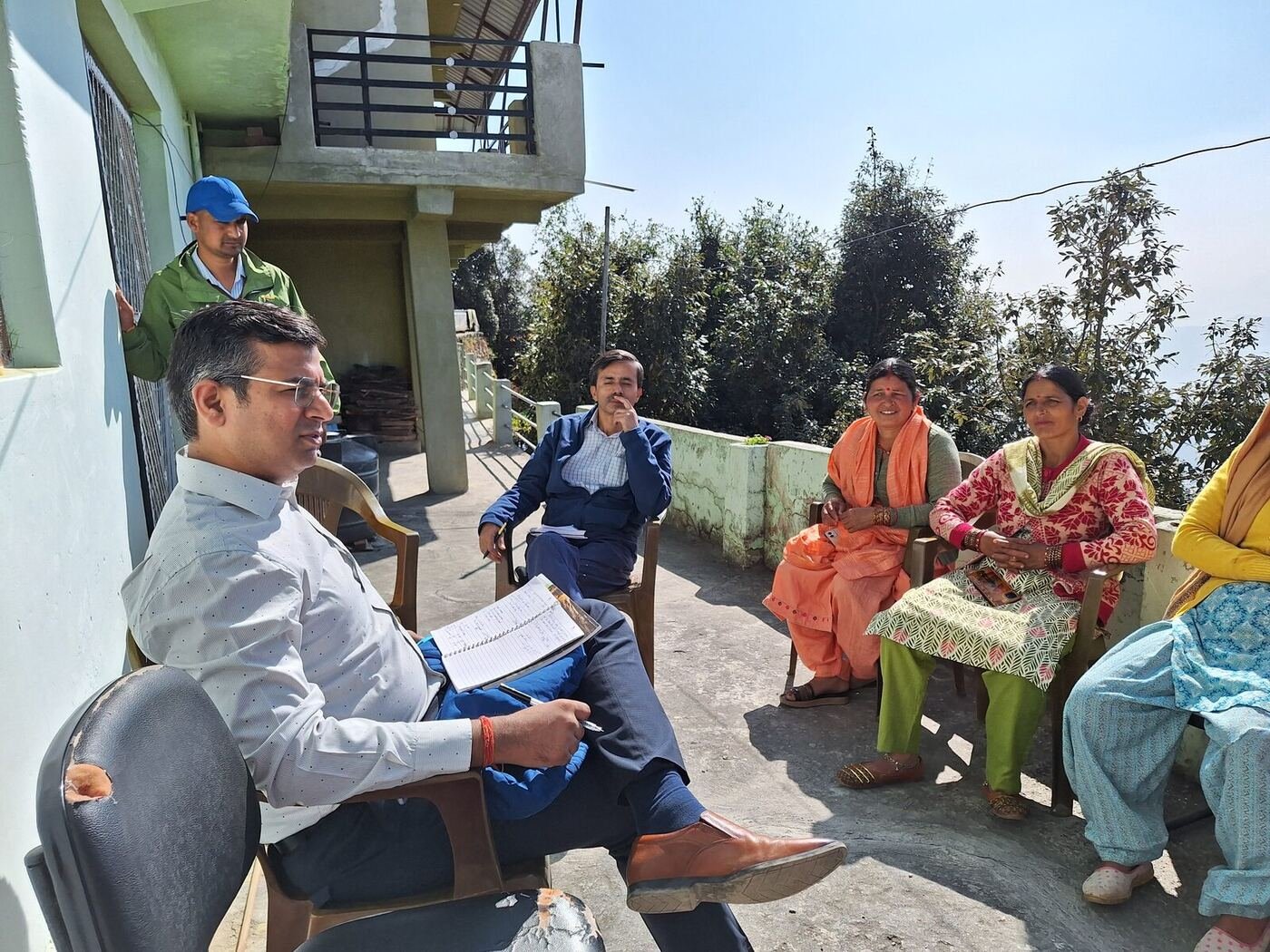
The PGS assessment team in discussion with SRC Board members and women farmer representatives at Jaripani, Tehri Garhwal.
Diversifying Beyond Dairy
Dairy has historically been the primary business vertical for most SRCs, given the ready availability of milch livestock across mountain households. The assessment’s roadmap calls for these cooperatives to broaden their business portfolios over the coming years, building on early diversification already under way in several clusters — including horticulture, honey, pulses and grains, and nature-based tourism.
- Next-generation livelihoods — the roadmap identifies nature-based tourism, trout farming, the honey value chain, climate-smart agri-technologies, and FMCG products as priority growth areas for SRCs over the next three years.
- Stronger governance — regular Board elections, clearer performance accountability, and closer engagement between SRC Boards and internal audit processes were highlighted as foundations for lasting institutional strength.
- Digitisation — moving business and stock tracking onto modern digital systems, reducing reliance on manual, spreadsheet-based record keeping.
- A sharper role for TRISHULII — with SRCs focused on production, and TRISHULII Producer Company built up as the dedicated marketing and branding arm for products reaching wider markets.
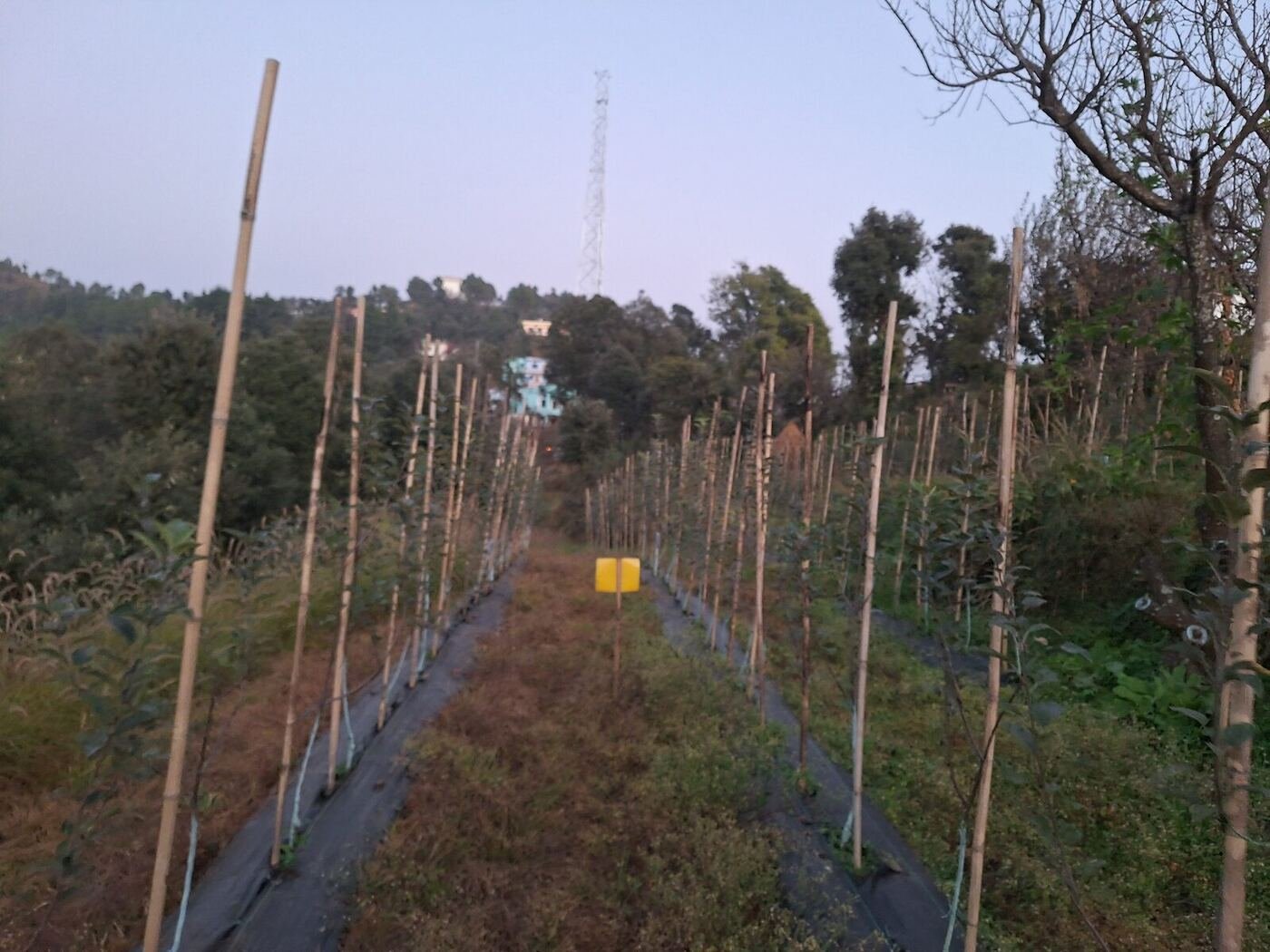
A newly established apple orchard demonstration plot in the Jaripani cluster, part of efforts to diversify livelihoods.

From Field to Market
At TRISHULII’s packing and processing facility in Dehradun, the assessment team reviewed operations spanning honey packing, pulses cleaning and grading, and the branding of products marketed under labels such as Kisaan Se and House of Himalayas — sold through partner Farmer Producer Organisations across the state and beyond.
Kisaan Se–branded Kapkot Rajma (kidney beans), part of TRISHULII’s retail product range.
This engagement gave us an on-the-ground view of what it takes for a women-led rural cooperative to become a self-sustaining business — not just a well-run development programme. The roadmap we’ve put together with Himmotthan is about building that durability, one vertical at a time.”
Arun Pandhi, Director, P-Green Solutions
Himmotthan Society will use the assessment’s findings to guide its engagement strategy with SRCs and FPOs over the next planning cycle, with PGS recommending a phased approach that gives each business vertical a defined runway toward full financial self-sufficiency.
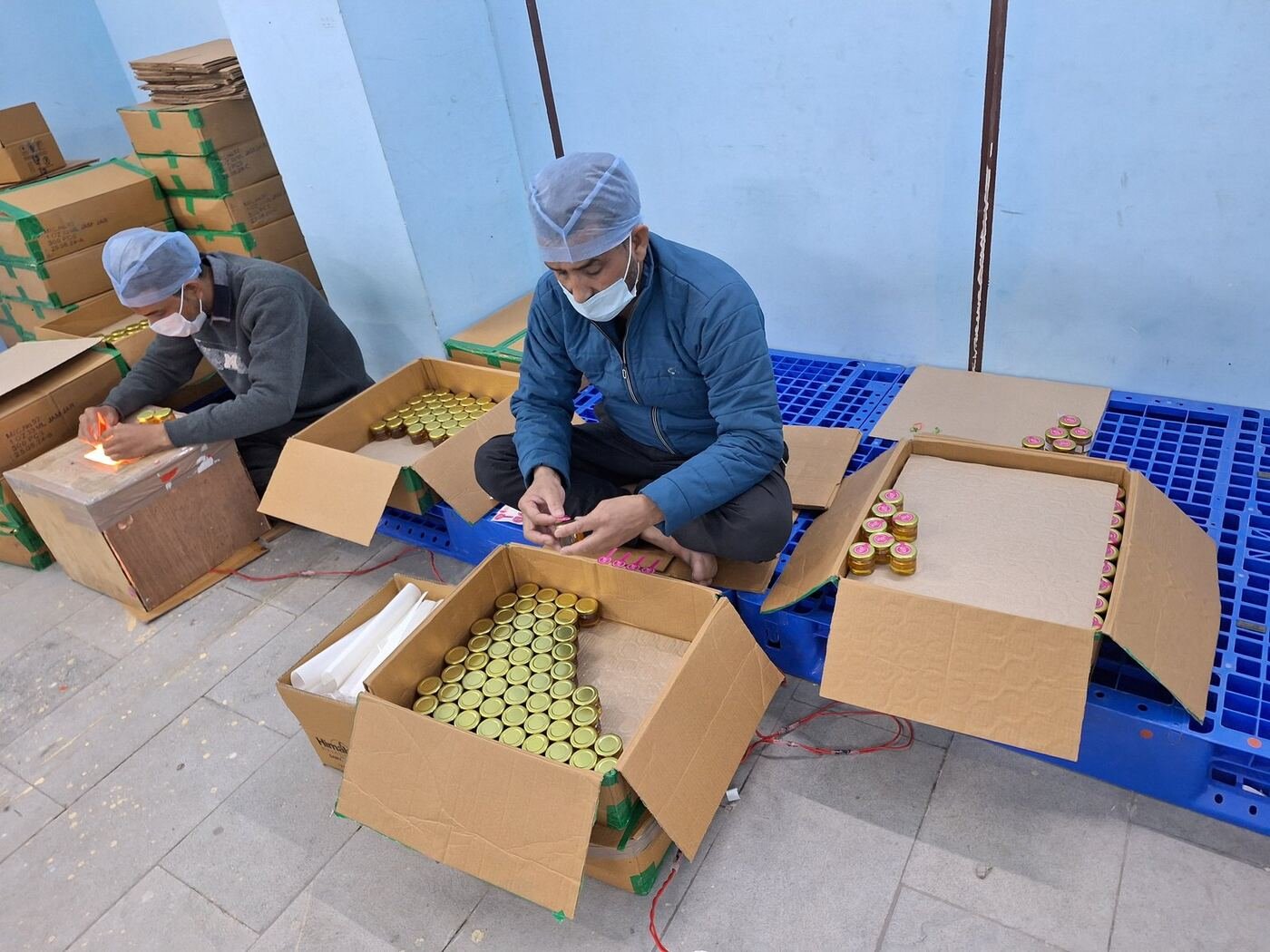
Workers at the TRISHULII packing unit hand-sealing and boxing jars of honey for dispatch.
nbsp;
FROM THE FIELD
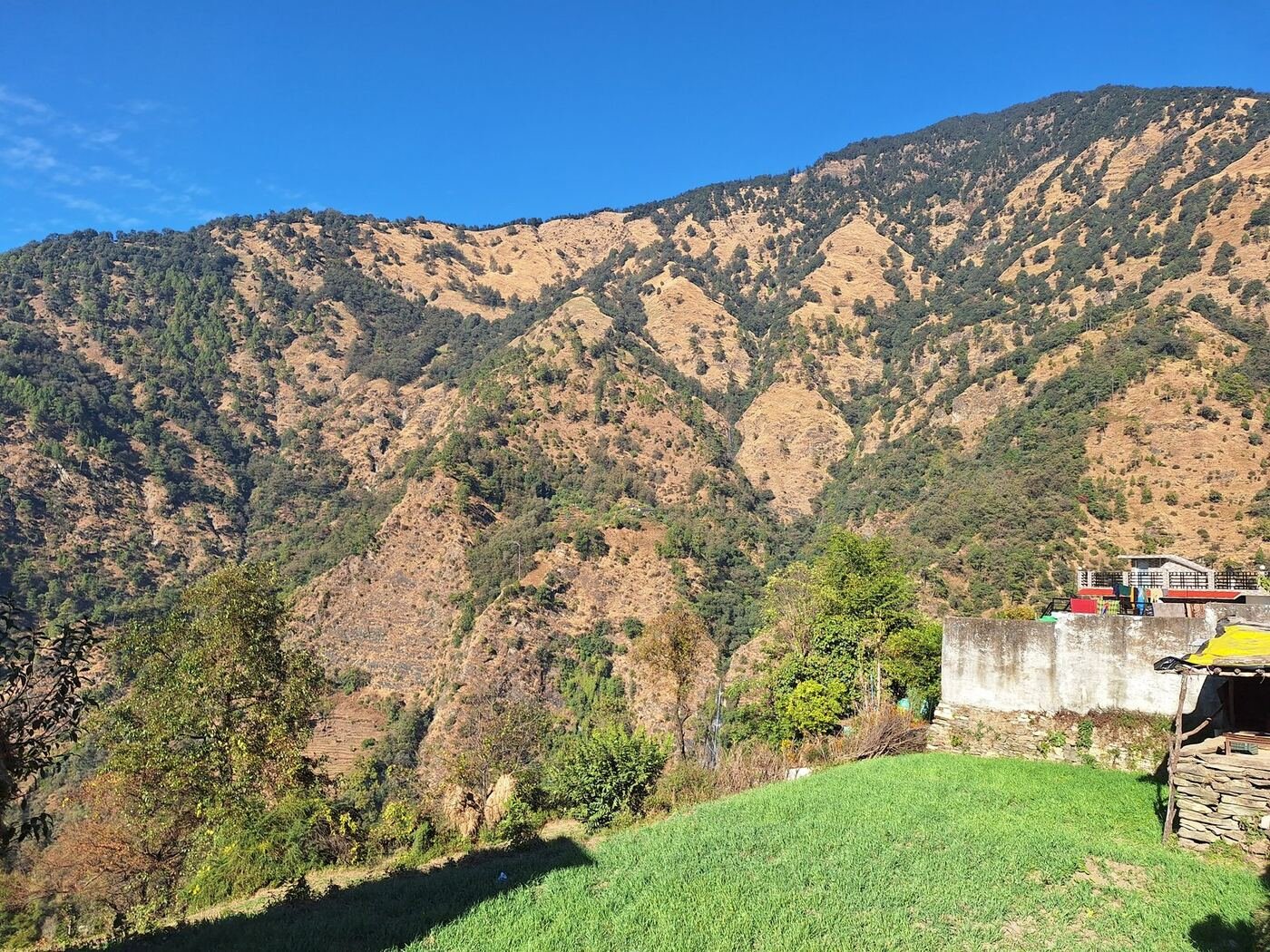
Terraced fields and hillside habitation typical of the Ukhimath cluster’s member villages, Rudraprayag district.
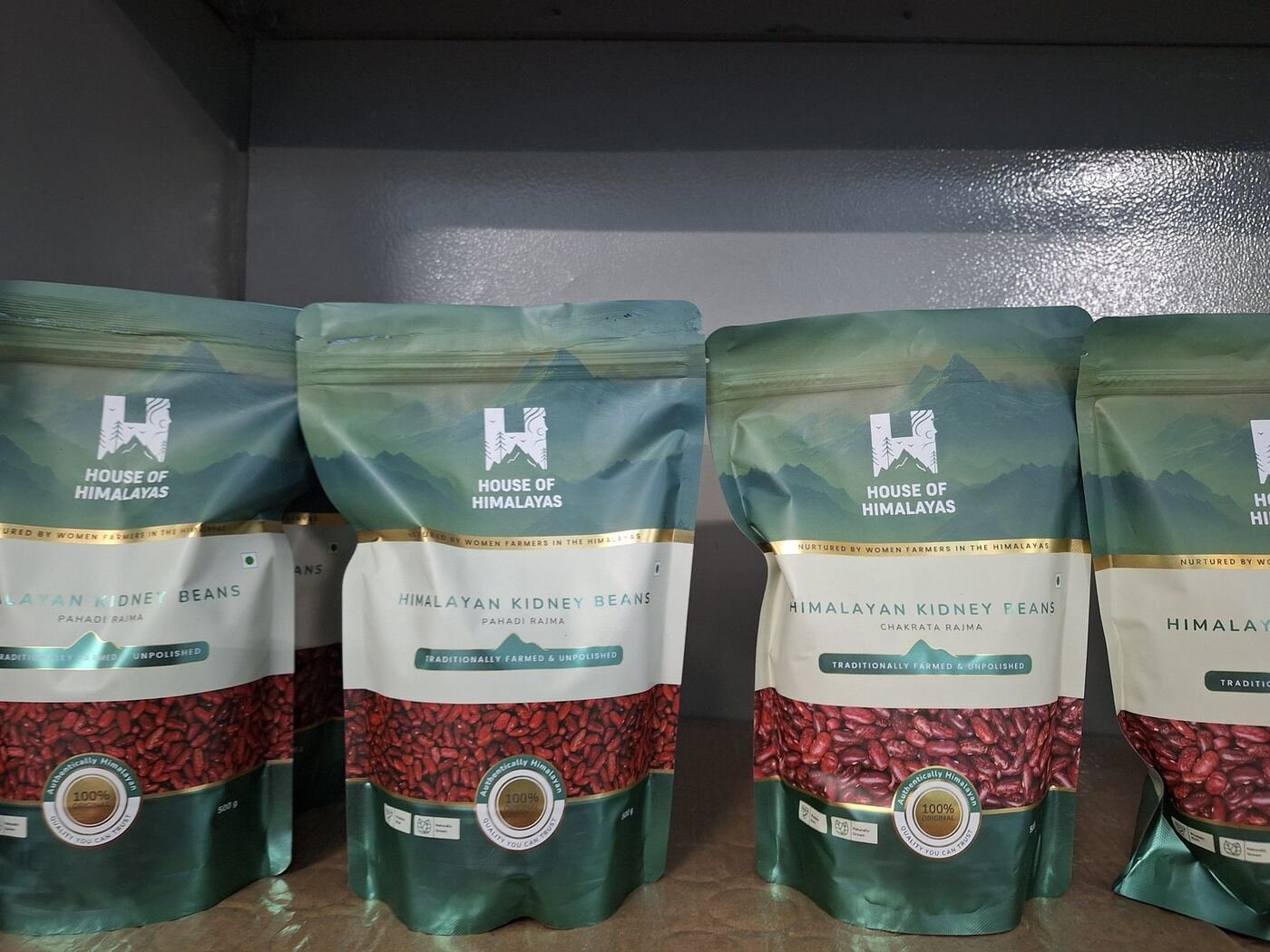
Himalayan Kidney Beans packaged under the House of Himalayas brand, sourced through TRISHULII’s partner network.
