“Study on the Sustainability of Water Interventions for Livelihoods”
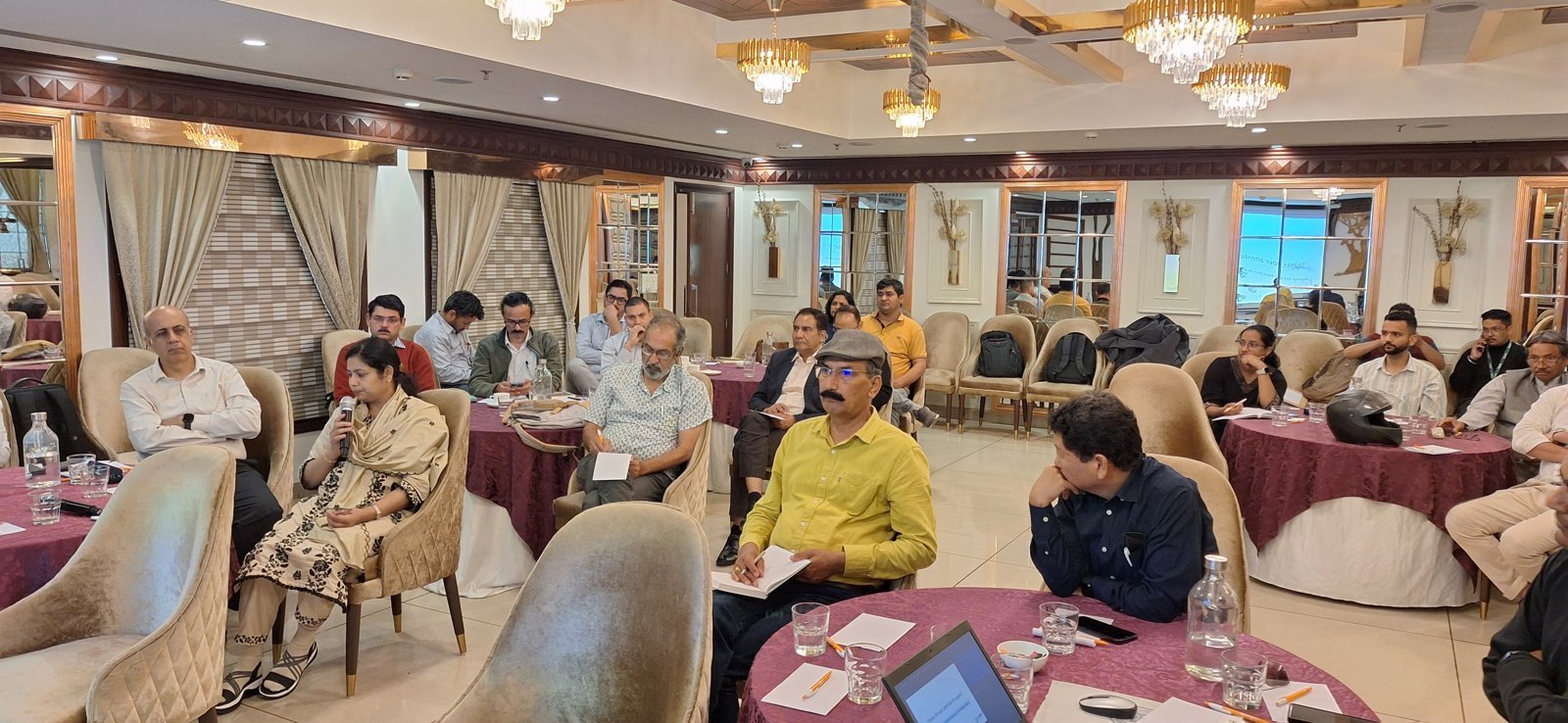
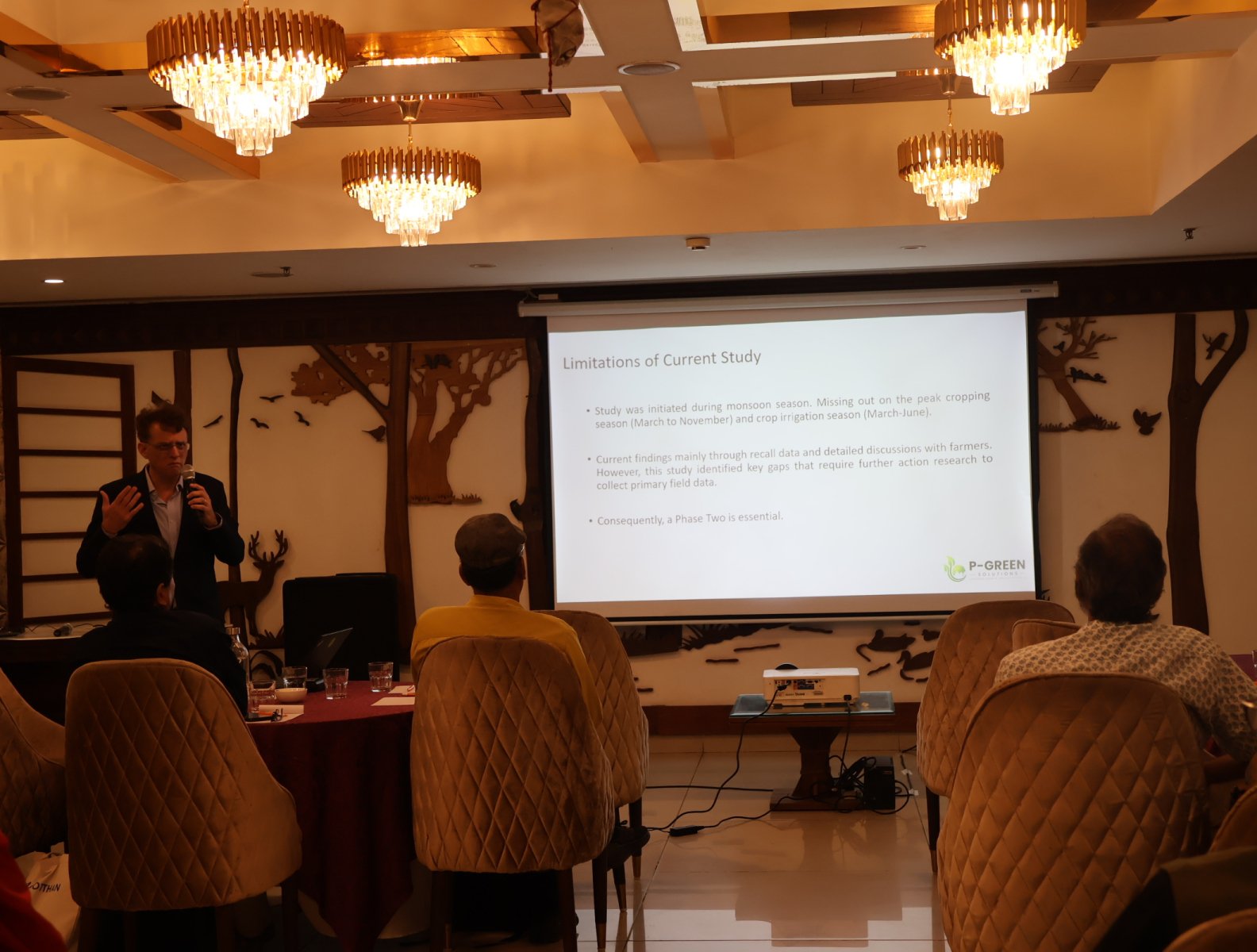
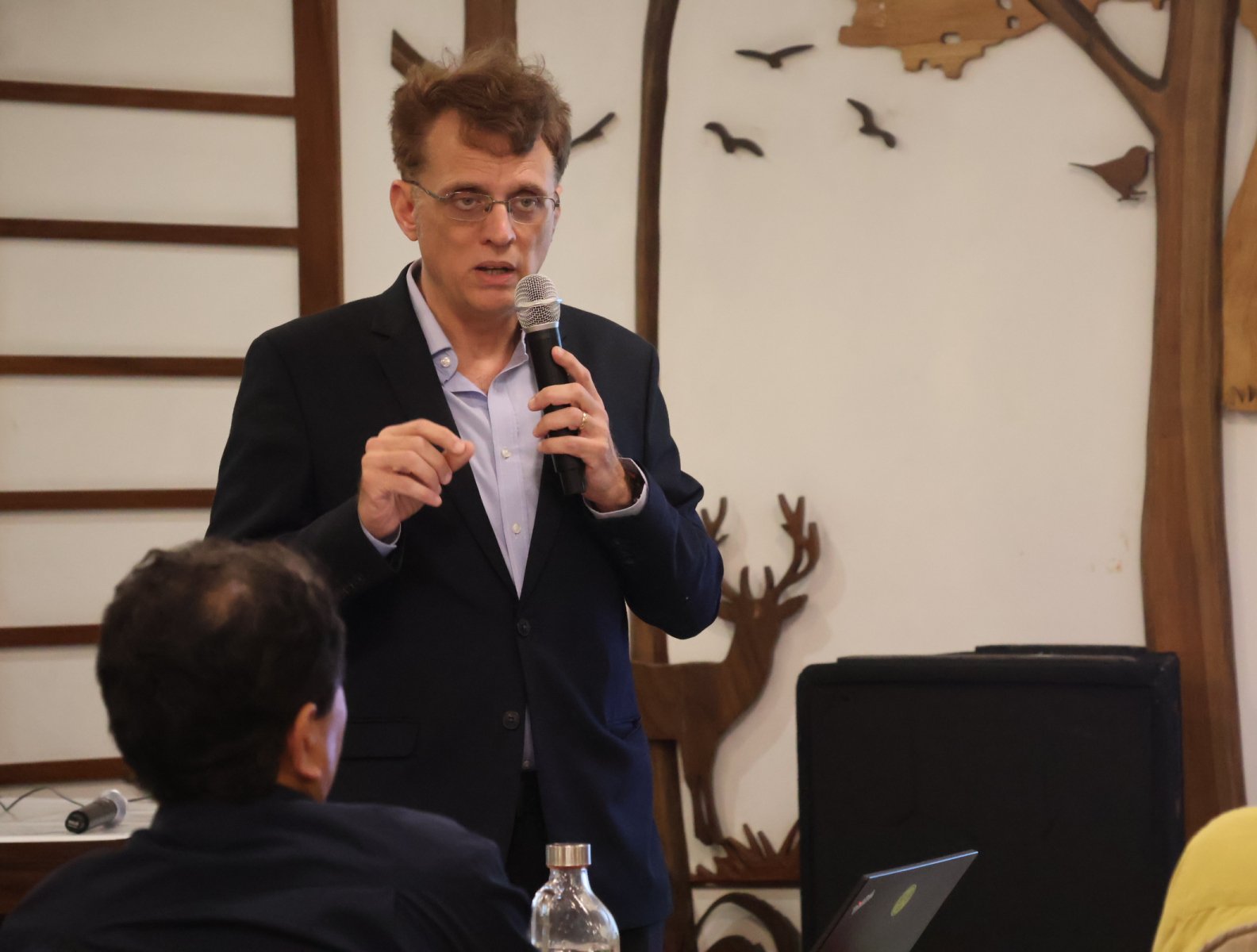
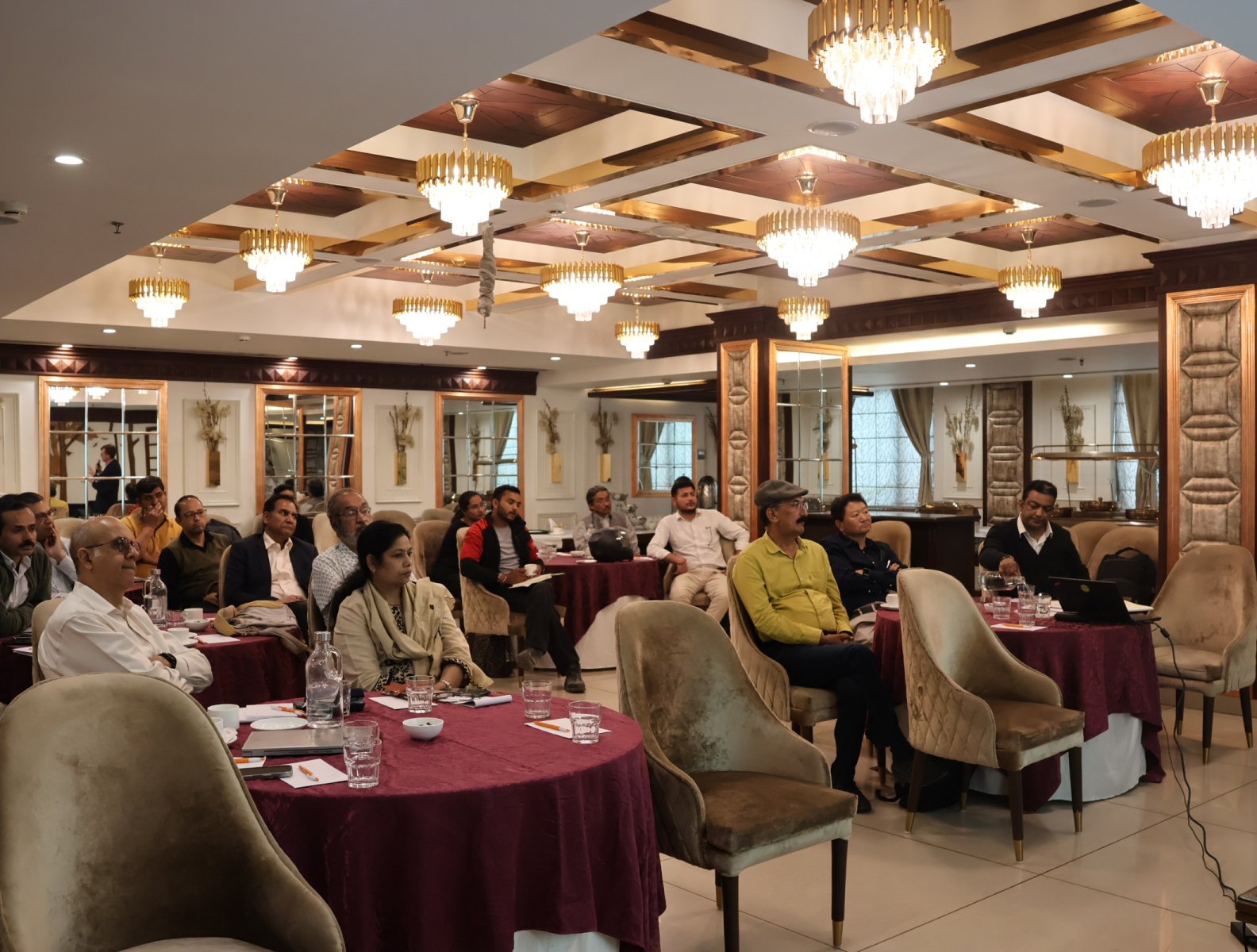
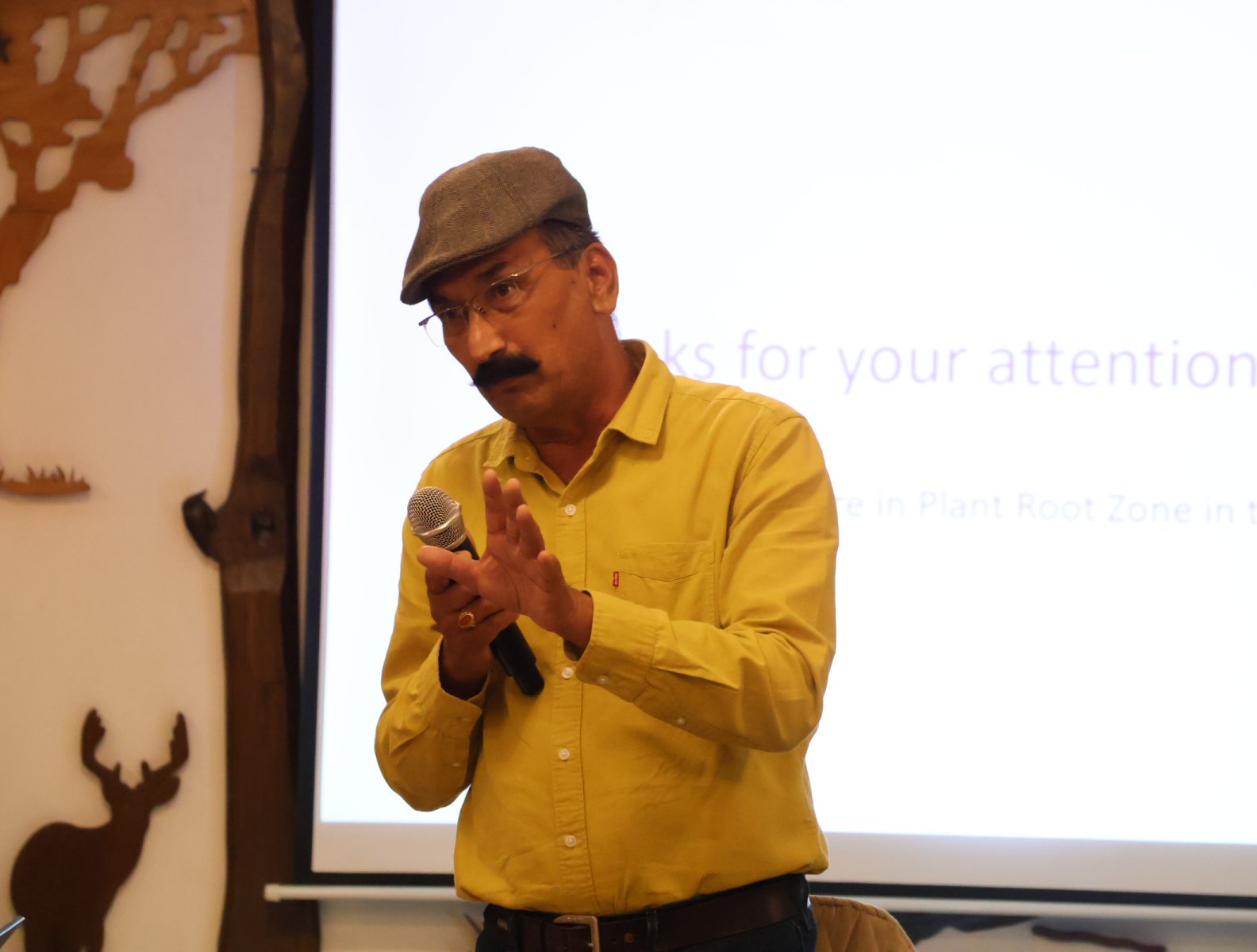
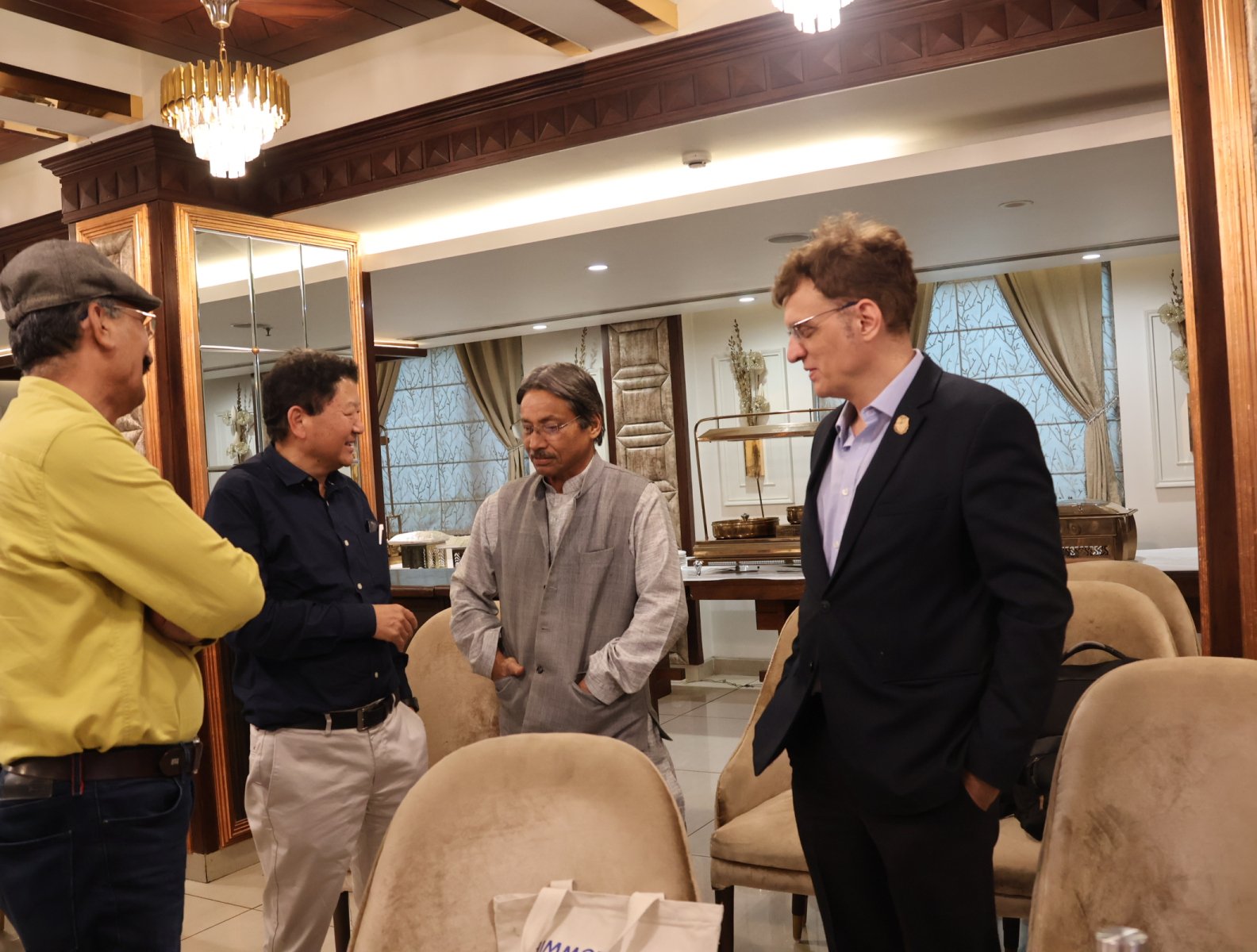
On 7th March 2026, P-Green Solutions presented the Phase I findings of its study “Sustainability of Water Interventions for Livelihoods” to a distinguished gathering of stakeholders in Dehradun. The study was commissioned by CEDAR, Dehradun, under the IWMI–TATA Water Policy Research Program, and examined the efficacy, effectiveness, efficiency, and impact of supplementary irrigation interventions in the Uttarakhand Himalayas, in the context of climate change and their potential for future scale-up.
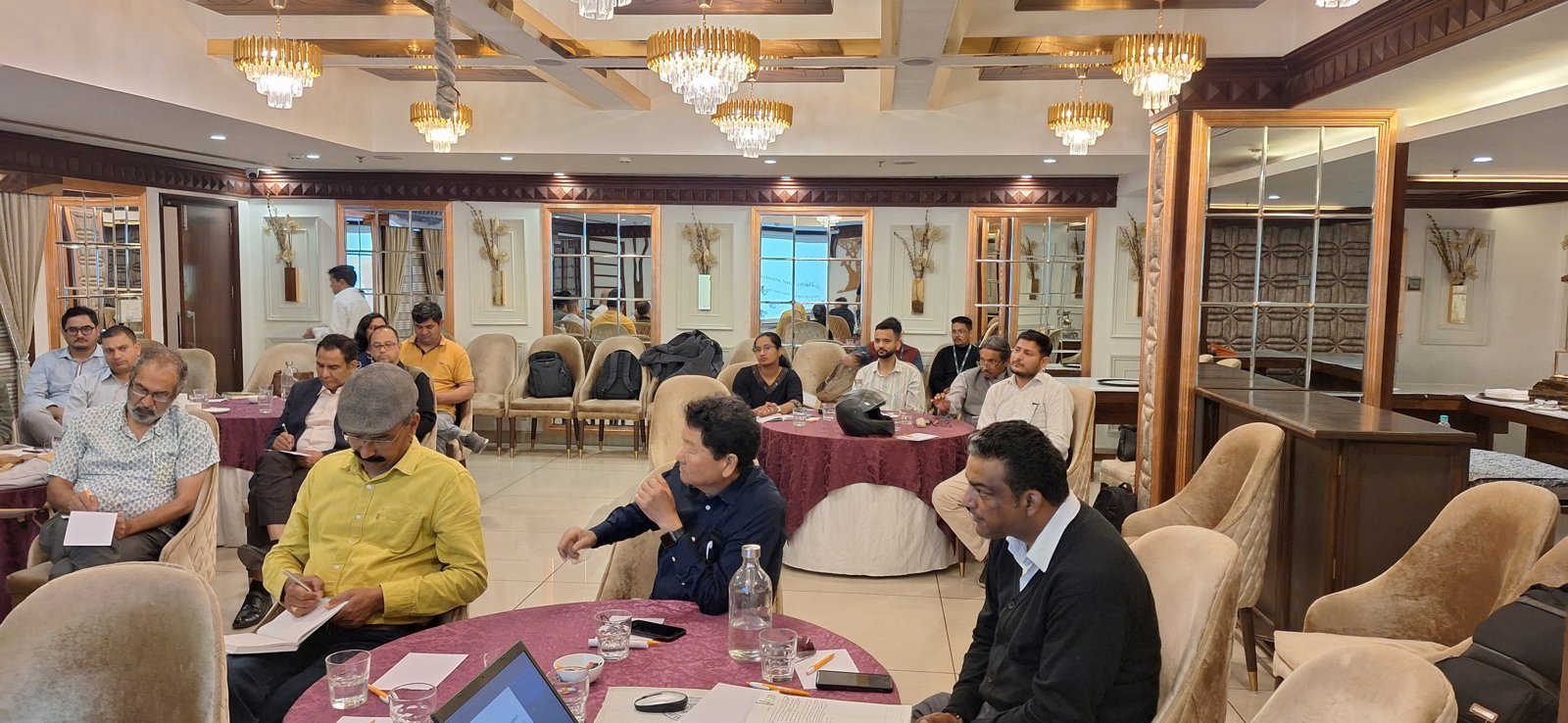
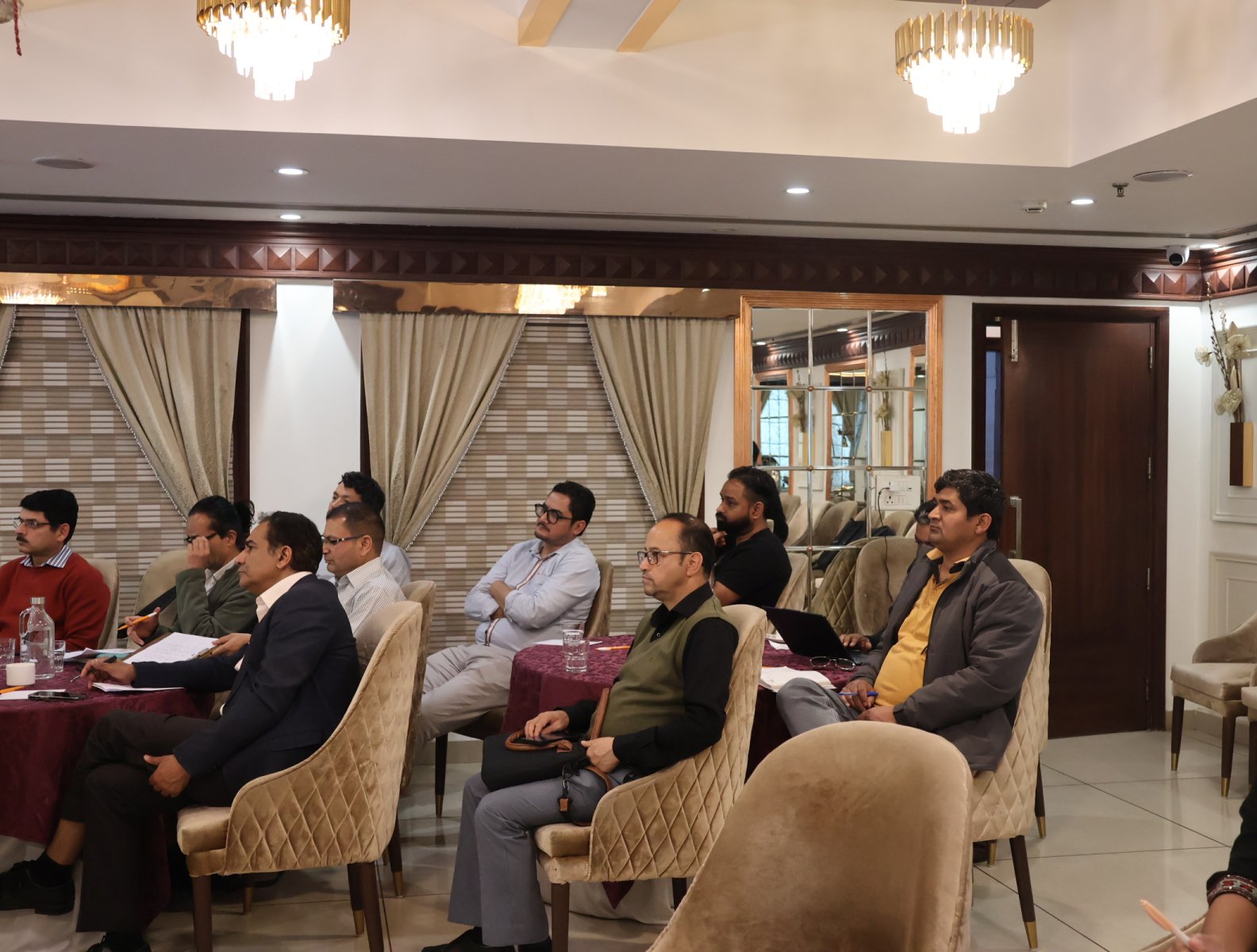
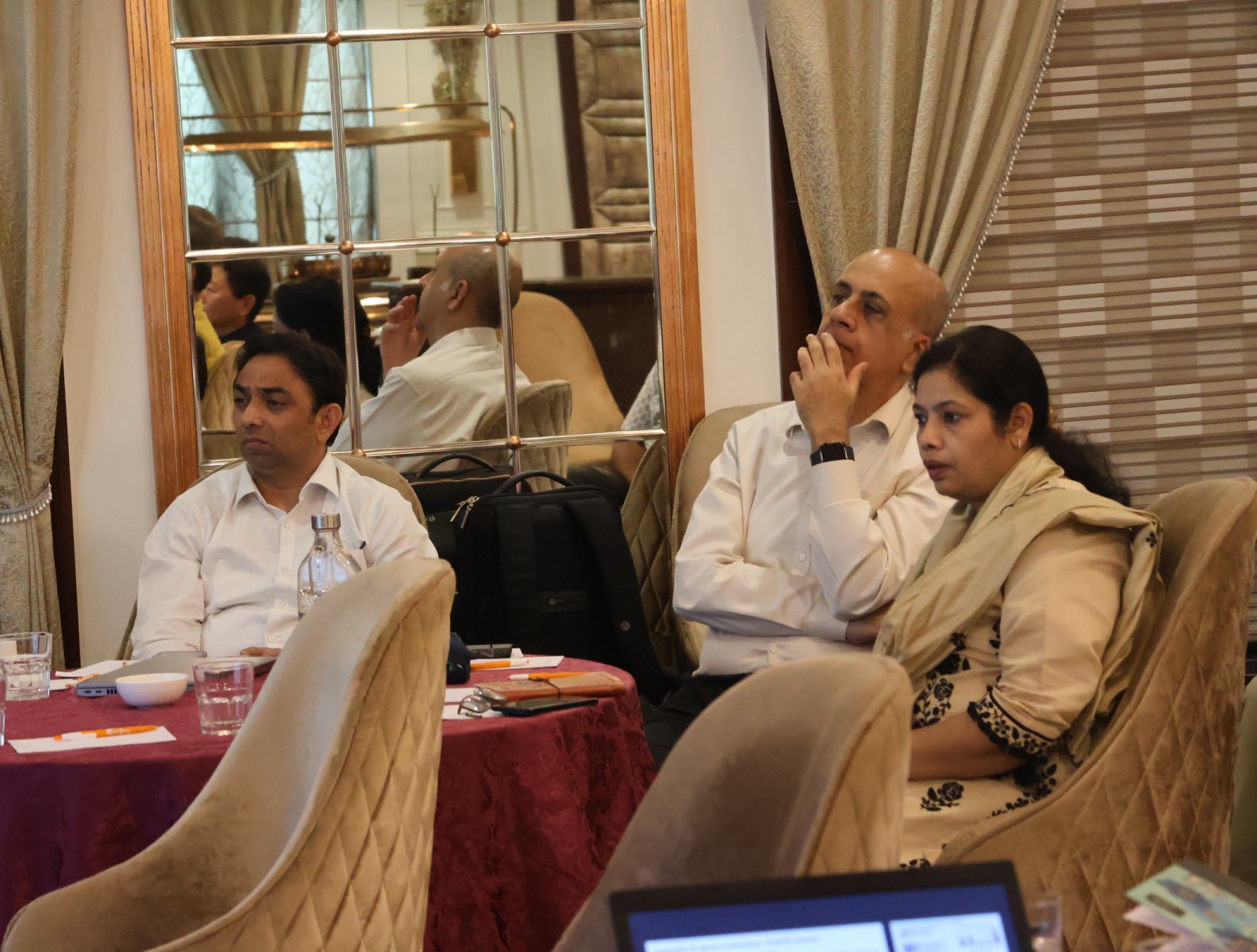
The presentation drew on fieldwork conducted between September 2025 and February 2026 across 12 villages in six mountain districts of Uttarakhand — Pauri Garhwal, Dehradun, Tehri Garhwal, Uttarkashi, Nainital, and Almora — including one unirrigated village studied as a control. It covered gravity-based, solar- and petrol-powered lift, and rainwater-harvesting interventions, together with the storage and distribution systems that support them, and was attended by representatives of Himmotthan, CEDAR Dehradun, SARRA (Springshed and River Rejuvenation Authority), and government line departments engaged in water security work across the Himalayan region.
Catchment protection emerged as a decisive factor in the sustainability of water sources: discharge in unprotected reserve-forest catchments had declined by nearly 38%, against 14% in catchments under protected Van Panchayat forests. Farmers with access to supplementary irrigation recorded 1.5 to 2 times higher crop production and substantially higher farm incomes than comparable unirrigated households, even as 20–40% of water continued to be lost in distribution. The findings pointed to the need for stronger community ownership of operation and maintenance, greater adoption of green-energy-based pumping, and a shift toward micro-irrigation in place of open-pipe flood irrigation.
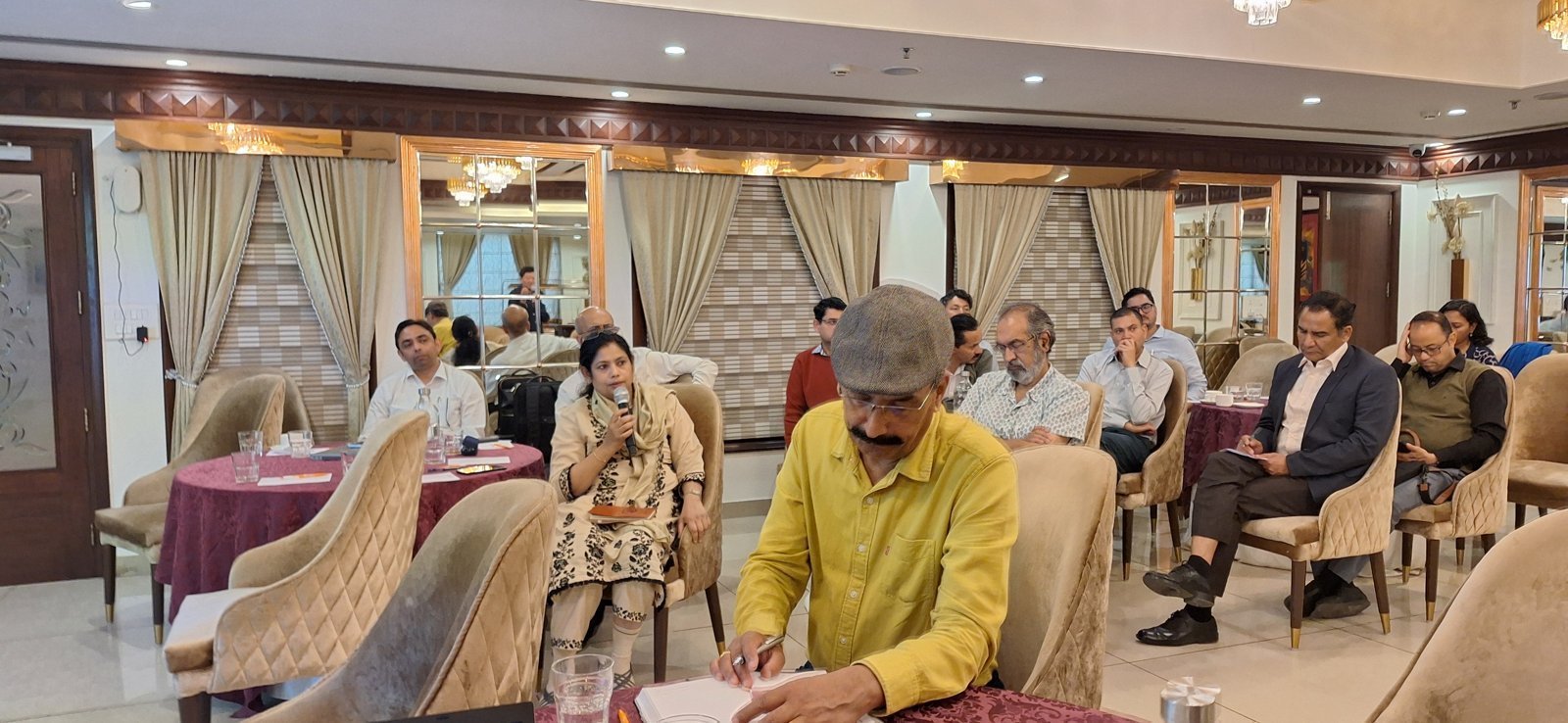
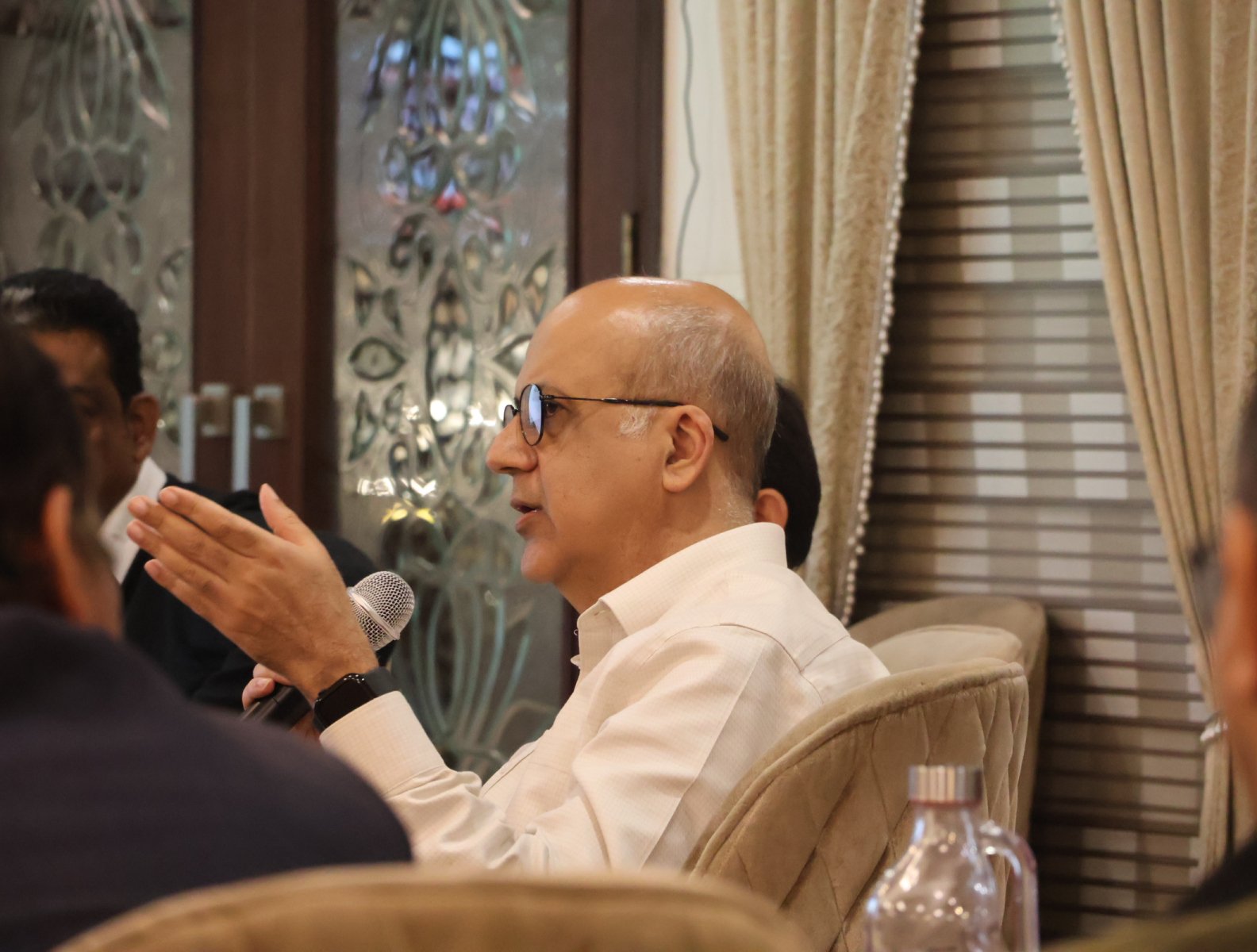
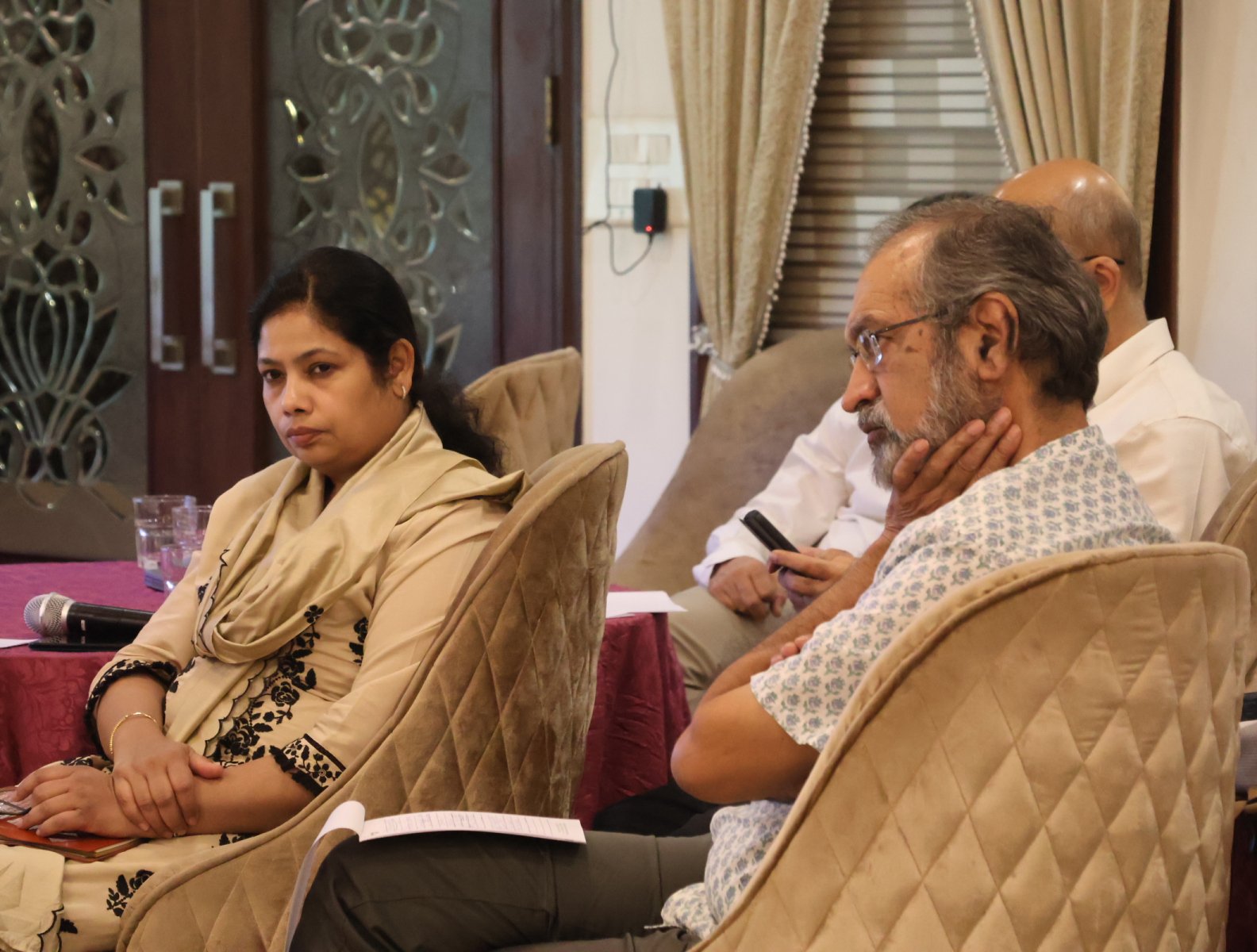
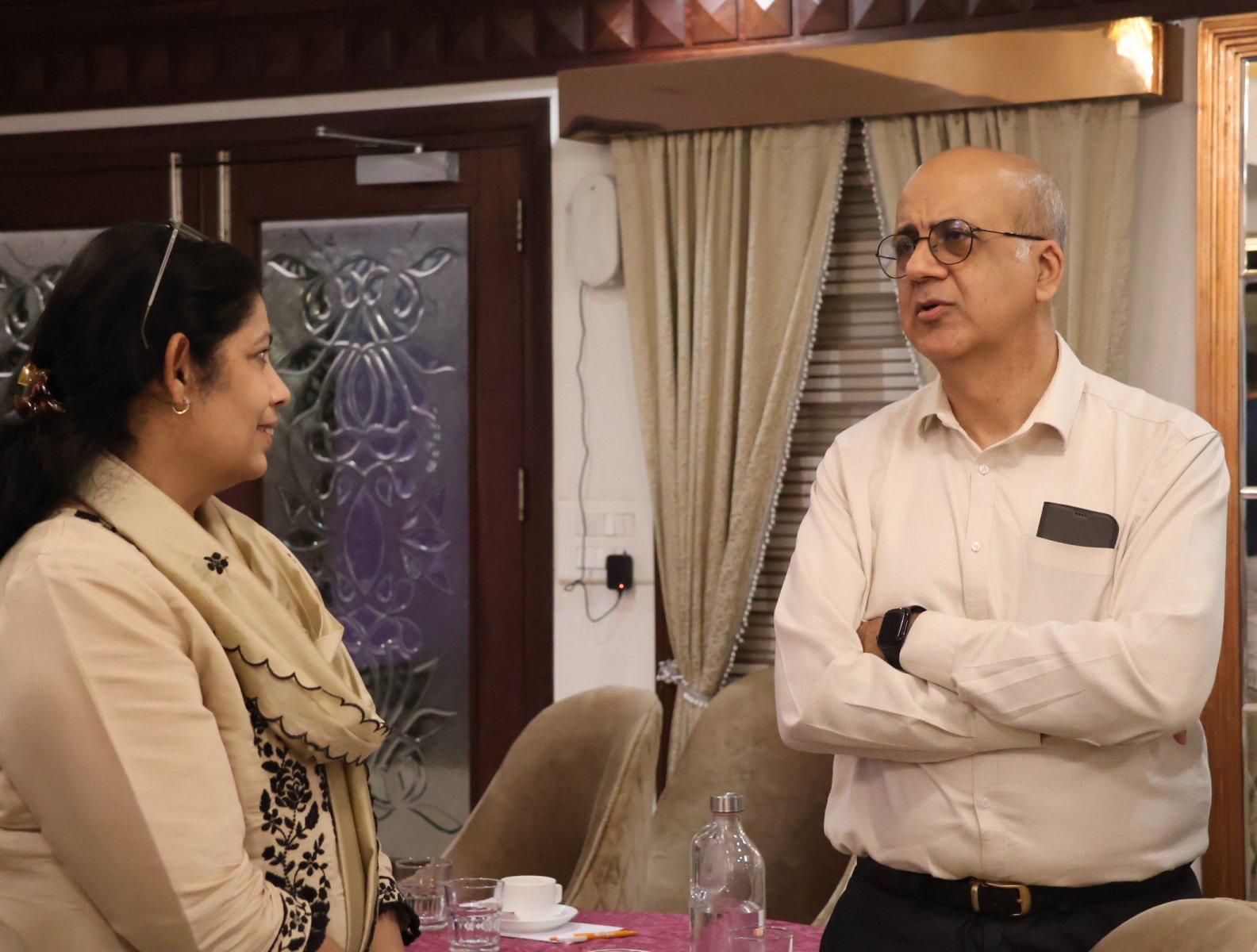
The presentation was followed by a wide-ranging discussion among participants on source and catchment sustainability, institutional mechanisms for long-term operation and maintenance, and the scope for scaling up successful interventions — inputs that will feed into a proposed Phase II of action research and piloting on traditional water use and micro-irrigation for dryland agriculture in the Uttarakhand Himalayas.